Abseits der Autobahn – Off the Autobahn

Das letzte Wochenende habe ich mal wieder bei meiner Mutter in Amberg verbracht. Da ich schon Freitagmittag gekommen war, fuhr ich Sonntagvormittag wieder zurück – und zwar bis Regensburg mal nicht auf der Autobahn, weil es dort gerade eine sehr nervige Umleitung gibt. Stattdessen wählte ich die am Sonntag bei schönem Wetter herrliche Strecke durch’s Vilstal. Hier reihen sich kleine, hübsche Orte in einer lieblichen Flusslandschaft aneinander. Eines der weniger bekannten Dörfer habe ich erkundet: Dietldorf.

Having spent the last weekend (including Friday) at my Ma’s in Amberg, I drove home Sunday morning. This time I didn’t take the Autobahn for the first leg, because at the moment there’s an unpleasant detour I wanted to avoid. Instead, I took the scenic route through the Vils river valley, where there’s not much traffic on Sundays and you can find a lot of small, picturesque villages, one of which I visited: Dietldorf.

VilsundNaab5

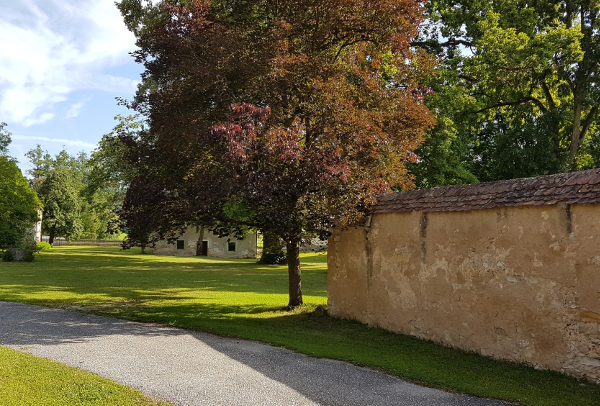
Und zwar, weil mir von Ferne dieses kleine Schloss ins Auge fiel. Es ist leider nicht öffentlich zugänglich; im Privatbesitz des Grafen von Spreti, dem Abkömmling eines alten Adelsgeschlechts aus Ravenna (!). Lediglich einen kleinen Blick in den Park durch das Tor „stahl“ ich mir:

My choice was based on the glimpse I had got from afar of this little castle. Alas, it’s not open for visitors, being private property of the Earl of Spreti, a descendant of an old noble house from Ravenna, Italy. At least I took a peek into the garden through the gate:

VilsundNaab2

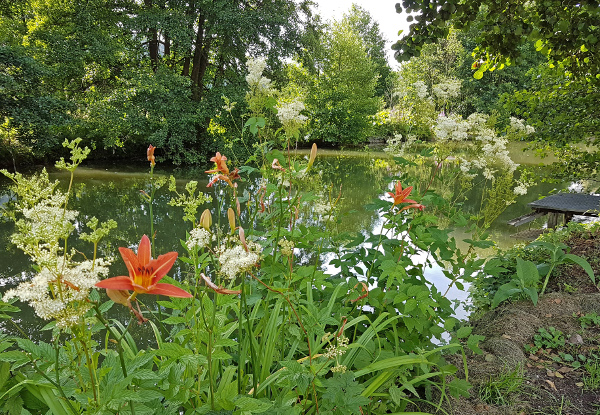
Dann wanderte ich ein Stück entlang der Vils:

Then I took a stroll along the river shore:

VilsundNaab6

VilsundNaab7

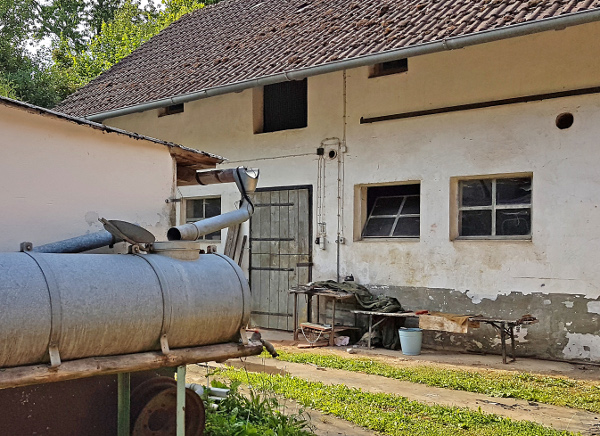
Aber auch im Ort gibt es hübsche und interessante Ecken:

Also, in the village, there are some nice and interesting spots:

VilsundNaab3

VilsundNaab4

VilsundNaab8

VilsundNaab9

Es sieht nicht so aus, als würde der Traktor noch viel genützt… Die Kirche reizte mich auch, und so stieg ich hinauf. Allerdings war grad Gottesdienst, so lief ich nur um sie herum:

Doesn’t look like the tractor is used often… The church looked nice, too, so I went up. Of course, there was Mass going on, so I just took a look around:

VilsundNaab1

VilsundNaab10

VilsundNaab13

VilsundNaab11

Dann stieg ich auf anderem Weg wieder hinunter und sah mich an der Brücke um:

Then I followed another way to descend and went to the bridge:

VilsundNaab14

VilsundNaab15

VilsundNaab16

Wie hübsch ein paar Rosen den Verfall überdecken… Es gab aber auch sehr schön gepflegte Gärten:

How some roses „cover“ the decay… But there also were some beautifully kept gardens:

VilsundNaab17

Weiter ging’s hinaus in die Felder:

Continuing, I walked among the fields:

VilsundNaab19

VilsundNaab18

Ja, hier gibt es sie noch, die „Riesenheupferde“ meiner Kindheit! Dieser ist 8cm lang…

Yes, here they still exist, the giant grasshoppers of my youth! This one is 8cm long…

VilsundNaab12

Übrigens ist diese Gegend besonders schön mit dem Fahrrad zu erkunden: das Vilstal ist Teil des „Fünf-Flüsse-Radwegs“.

By the way: this region is perfectly suited for bikers: the valley of the river Vils is part of the „Five-Rivers-Cycle-Route“.

VilsundNaab20

Eines möchte ich noch anmerken: ich hatte diesmal blöderweise meine Fotoausrüstung nicht dabei, war also komplett auf meine Smartphone-Kamera angewiesen. Im Normalmodus macht sie ja auch gute Bilder, wie man sieht, aber da sie natürlich nur einen Digitalzoom hat, den man echt vergessen kann, was die Qualität angeht, fehlte mir mein Telezoom gewaltig… NIE wieder ohne!! Übrigens fuhr ich danach noch weiter ins Naabtal, doch davon berichte ich das nächste Mal 🙂

One thing: this time I had forgotten to take my camera and had to rely completely on the build-in camera of my smartphone. It’s quite okay using the normal mode, as you see – but since the digital zoom doesn’t deliver satisfying results, I really missed my telephoto lens… Never again without!! – I continued towards the valley of the Naab, but that’s for the next post 🙂

Ein Ausflug in den Bayerischen Wald – A Day Trip to the Bavarian Forest

Endlich Urlaub! Diesmal verbringe ich ihn nicht an einem Ort, sondern habe mehrere verschiedene Ziele. Die ersten Tage verbrachte ich bei meiner Mutter in Amberg, von wo aus wir am Montag einen Tagesausflug in den Bayerischen Wald machten. Zunächst fuhren wir nach Viechtach, wo meine Mutter mir die „Gläserne Scheune“ zeigte. Ein Glasmalkünstler hat hier sein eigenes Reich geschaffen und an großen Glaswänden Geschichte und Mythen des Bayerischen Waldes verewigt.

Vacation at last! This time I don’t spend it in one location, opting for several different destinations. These first days I went to see my Mom in Amberg, taking her for a day trip to the Bavarian Forest on Monday. First, we went to Viechtach, where she showed me the „Gläserne Scheune“ – an ancient barn which glass painter Rudolf Schmid has transformed into an overall work of art: monumental glass walls painted with the history and legends of the Bavarian Forest.

Arber6183

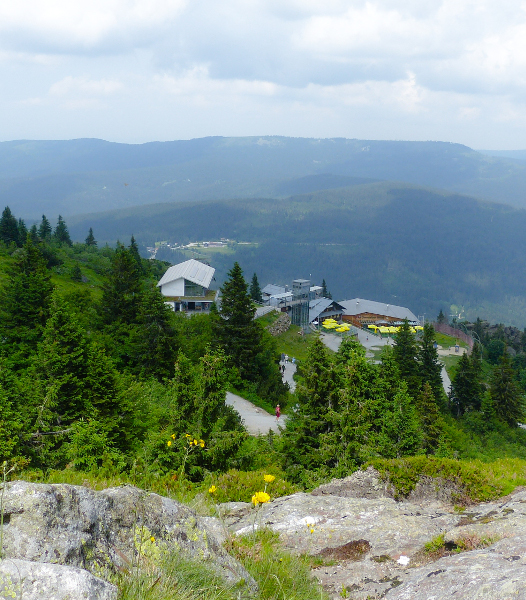
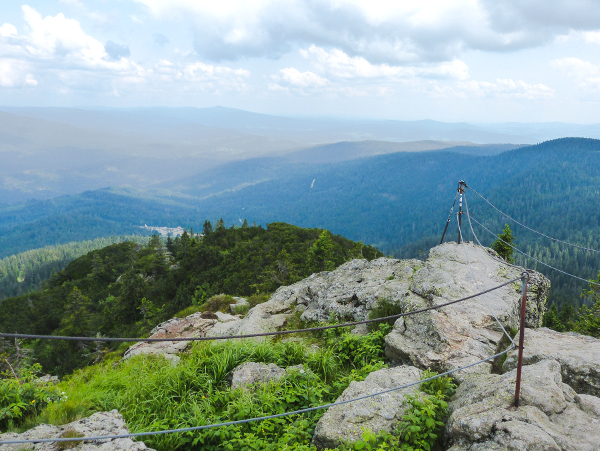
Das war wirklich beeindruckend – ein Besuch ist sehr empfehlenswert! Danach fuhren wir zum Großen Arber und mit der Gondel hinauf – meine Mutter ist in ihrem Alter nicht mehr so gut zu Fuß. Aber oben konnte ich eine kleine Rundtour machen, während sie sich ausruhte, und um Ihr den Ausblick zu zeigen, machte ich natürlich ein paar Bilder:

This was very fascinating and if you ever come to the region I recommend a visit! Afterwards we drove further towards the highest mountain in the Bavarian Forest, the „Big Arber“ (since the Bavarian Forest is a low mountain range, there’s no comparison to the Alps). We went to the top by cable car because my mother can’t walk a lot at her age. On the top, she sat on a bench while I did a little roundtour, also climbing some rocks for better views. To show her my exploits I took some pictures:

Arber6181

Oben: Blick auf die Bergstation. Unten: Die Berge und Hügel im Mittel- und Hintergrund sind bereits in Tschechien.

Above: View of the upper terminus of the cable car (and the restaurants). Below: the hills and mountains in the middle and background are already situated in the Czech Republic.

Arber6182

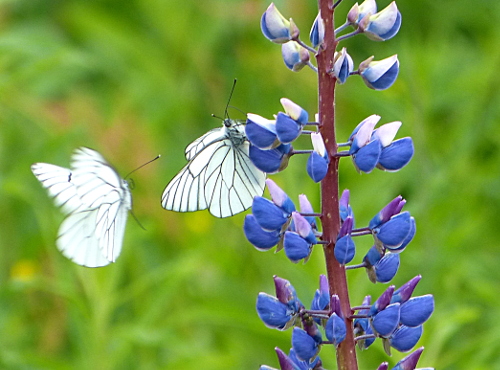
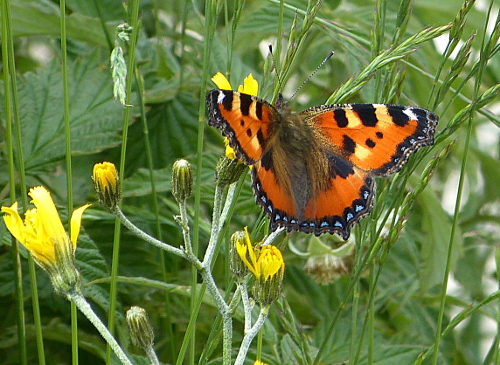
Außerdem flatterten ein paar hübsche Schmetterlinge herum:

Also, some pretty butterflies were flying around and visiting flowers:

Arber1828

Arber1837

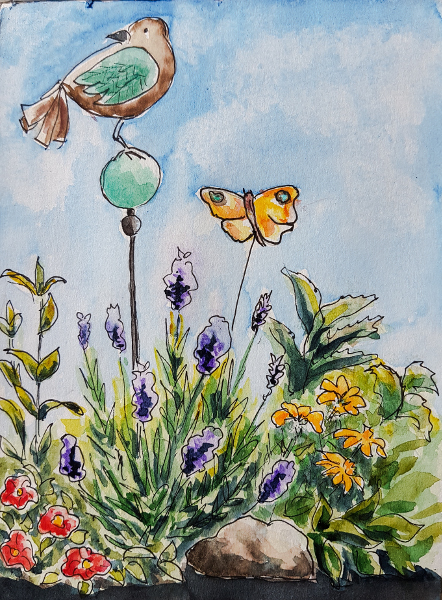
Gegen Abend zu Hause in Amberg malte ich dann noch einen Ausschnitt des hübsch bepflanzten Balkons meiner Mutter in das Aquarellbuch:

In the evening, back home at my Mom’s, I just had to sketch and paint a detail of her gorgeous balcony flowerbed:

Aquarellbuch12

(Der Vogel und der Schmetterling sind Deko-Objekte)

(The bird and the butterfly are decorating objects)

Frühlingswanderung im Allgäu – A Spring Hiking Tour In the Allgäu Region

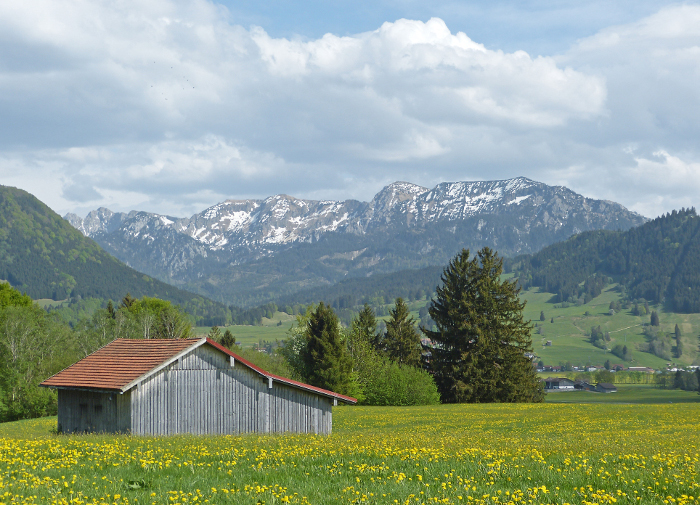
Ja, gestern habe ich die erste Wanderung des Jahres gemacht – mal wieder im schönen Allgäu, in der Gemeinde Halblech bei Füssen. Startpunkt war Bayerniederhofen, von dort ging es zum Hergatsrieder Weiher und zurück über Greith und Berghof. Das sind alles kleine Dörfer 🙂 . Der Tag war perfekt: sonnig, aber mit dekorativen Wolken, blühender Löwenzahn, blühende Bäume, auf den Bergen noch etwas Schnee. Die sehr einfache, 21/2- stündige Tour (reine Gehzeit!) brachte so Aussichten (und Fotos), die jeder Postkarte Ehre machen würden; manche schon fast klischeehaft. Aber seht selbst:

Yesterday I started my personal hiking season – once again in the beautiful Allgäu region (most famous spot of which is Neuschwanstein Castle of which you might have heard or seen pictures). Parking my car in a village, I did an easy round tour which provided great views of the beautiful landscape. The conditions were perfect: sunny weather but with decorative clouds, blooming dandelion and trees, still some snow on the mountains. The sights – and the resulting photos – were postcard perfect, some even stereotype… But have a look yourself:

Wanderung Halblech22

Wanderung Halblech2

Wanderung Halblech11

Wanderung Halblech14

Wanderung Halblech4

Im Sommer wäre es auf dieser Tour zu heiß – trotz Sonnenschutzcreme 50 habe ich Farbe gekriegt (Gott sei dank keinen Sonnenbrand). Dieser Weg führte mich zum Hergatsrieder Weiher:

In summer it would be too hot on this tour as you’re always exposed. Even with sunblocker cream I got some colour (no burn though). This path lead me towards the Hergatsried pond:

Wanderung Halblech8

Wanderung Halblech9

Wanderung Halblech5

Anschließend ging ich auf den Hügel hinauf:

Then I climbed this hill:

Wanderung Halblech13

Eine Kuh posierte wie ein Model:

One of the cows posed for me like a model:

Wanderung Halblech12

Weiter ging es auf einer kleinen Asphaltstrasse, das mag ich eigentlich nicht so gern, aber sie war wenig befahren und die Aussichten entschädigten völlig:

Then I had to continue on a narrow road – generally, I don’t like hiking on tarmac, but there were very few cars and the sights made it worth while:

Wanderung Halblech15

Wanderung Halblech16

Außerdem kam ich nun durch die Dörfer Greith und Bergdorf, wo es auch reizvolle Ecken gab:

Also, I had to pass through two small villages where I found other interesting sights:

Wanderung Halblech18

Wanderung Halblech19

Wanderung Halblech24

Wanderung Halblech17

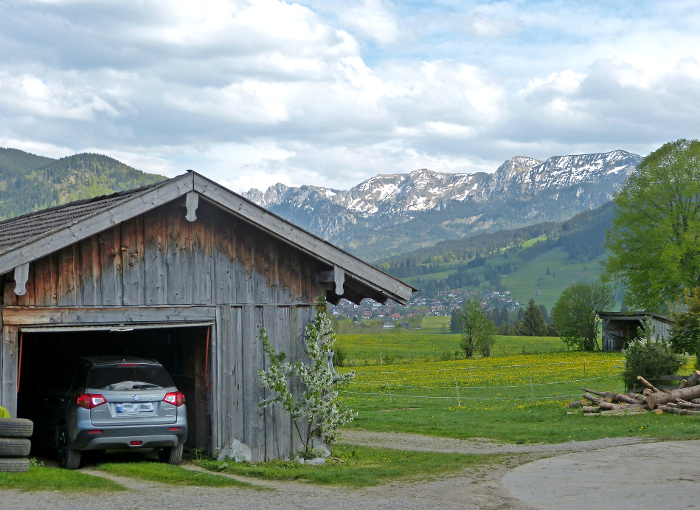
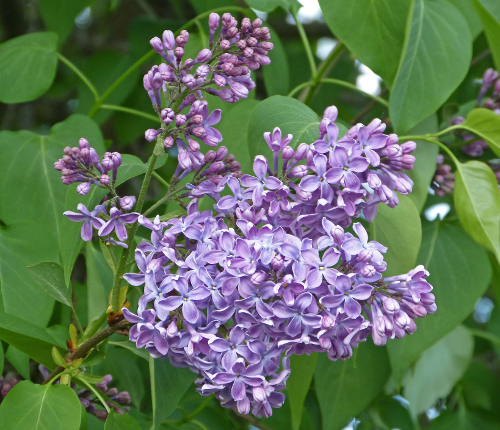
Stilvolle Garage! Was diese Tour an diesem Tag besonders reizvoll machte, waren auch Flieder und Apfelblüten in den Dörfern, die betörenden Duft verströmten!

A garage Bavarian style! Also, I really enjoyed the beguiling scents of lilacs and apple blossoms in the villages!

Wanderung Halblech23

Den Löwenzahn sah man ja auf jedem Bild, aber es gab noch andere Blümchen zu bewundern:

You’ve seen the dandelion on most of the photos, but there also were other flowers to admire:

Enzian und rosa Primeln! Als ich dann auch noch einen seltenen Schwalbenschwanz-Schmetterling vor mir sitzen sah, konnte ich mein Glück kaum fassen – doch leider lebte er nicht mehr, war schon angefressen. Aber die Flügel unberührt!

Gentian and pink primroses! When I even discovered one of the rare swallow-tail butterflies, I was intrigued – but it was dead, already half eaten. The wings, though were still untouched!

Wanderung Halblech10

Schließlich ging es zurück zum Auto; noch ein letzter Blick über’s Dorf zum Abschied:

On my way back to the car I took a last look over the village:

Wanderung Halblech25

Diese Tour war einfach Genuss pur – ideal zum Auftanken nach/vor einer Arbeitswoche.

This tour was pure delight – ideal to decompress after/before a week of work.


Ein „vergessener Ort“ – A Lost Place

Ob Profi oder Hobbyfotograf: alle lieben „vergessene Orte“. Vor einigen Jahren, bevor der Run auf diese Orte richtig begann, habe ich hier in Augsburg einen besucht. Gott sei Dank: denn heute ist dieser Ort alles andere als verlassen, im Gegenteil, es wurde teils restauriert, die Räume bekamen neue Bestimmungen – Läden, Museum, Designhotel, drum herum ein ganz neues Wohnviertel. Was natürlich ein großer Gewinn für die Stadtgestaltung ist, aber der Reiz des Verfalls ist nun nicht mehr zu finden. Es handelt sich um die ehemalige Augsburger Kammgarnspinnerei:

If you’re a pro or just an amateur photographer: I’ll bet you, too, love „Lost Places“! Some years ago, even before the run on these places  begun, I had visited one here in Augsburg. Thank God, because nowadays it’s not lost anymore but being partly restored, partly modernized, it’s filled with life once again by shops, a museum, a hotel and a whole new living quarter. What’s great for city planning isn’t as romantic for photographers anymore. I’m speaking of the former Augsburg Spinning Mill, „Augsburger Kammgarnspinnerei“:

Kammgarn11

Der bekannte Schlot spiegelt sich in der Pfütze zwischen alten Gütergleisen…

The well known chimney is reflected in a puddle between old rails…

Kammgarn3

Kammgarn2

Kammgarn14

Kammgarn12

Kammgarn7

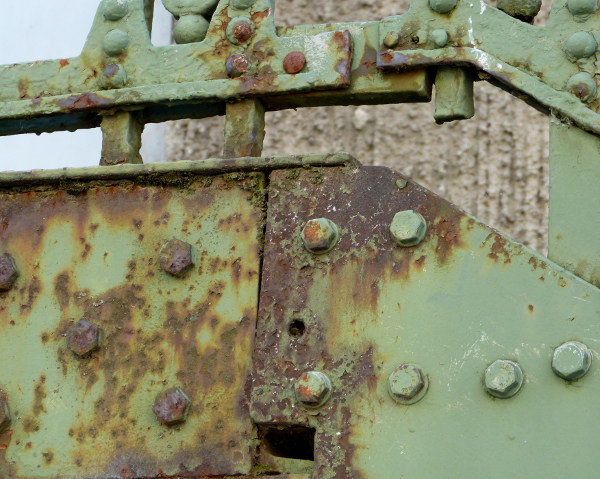
Rost hat immer seinen Reiz!

Rust always creates interesting patterns!

Kammgarn6

Kammgarn13

Kammgarn9

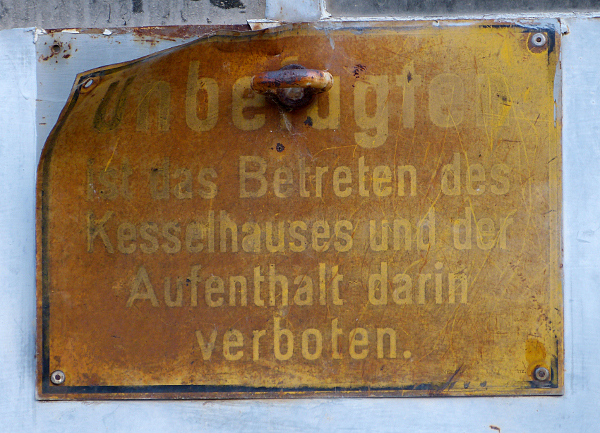
Dieses Schild erklärt, weshalb ich nicht innen fotografieren konnte… So ist es leider mit den meisten interessanten „vergessenen Orten“ – aus Sicherheitsgründen und aus Angst vor Vandalismus sind viele nicht zugänglich, und so sehr ich solche Bilder liebe, ich bin strikt dagegen, sich über diese Verbote hinwegzusetzen. Das ist ungefähr so, als wenn jeder zum Blumen fotografieren in Deinen Garten spaziert! Und manchmal besteht ja auch tatsächlich Einsturz- oder sonstige Verletzungsgefahr. Trotzdem hoffe ich, im Laufe der Zeit noch den einen oder anderen zugänglichen „vergessenen Ort“ besuchen zu können…

This sign explains why I didn’t go inside: it was prohibited (and locked). Like with most of these „Lost Places“ access isn’t allowed because it’s either dangerous or because the owners want to prevent vandalism. And as much as I love this kind of pictures, I’m definitely against trespassing! Just imagine, everybody just entered your garden to take pictures of the flowers… Moreover, often there’s real risk of collapse or injury. Nevertheless I hope to be able to visit some more „Lost Places“ with open access in the future…


Die Kathedrale von Chartres, Teil 2 – Chartres Cathedral, Part 2

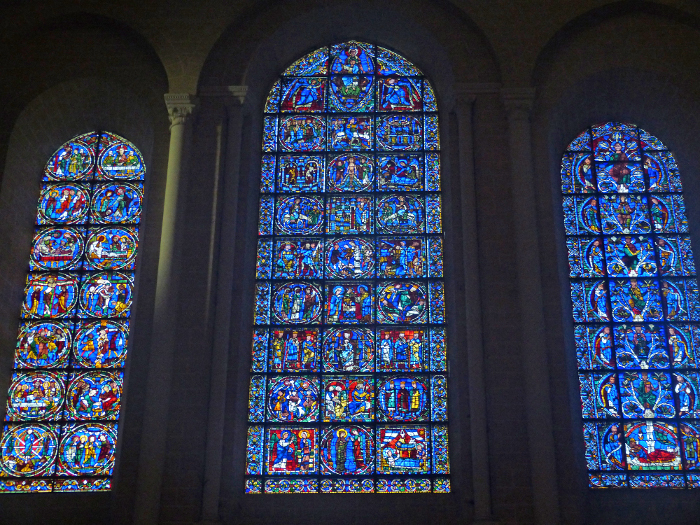
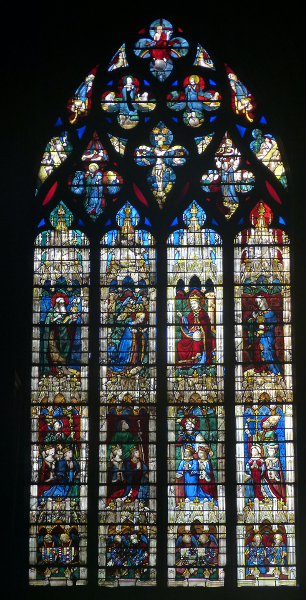
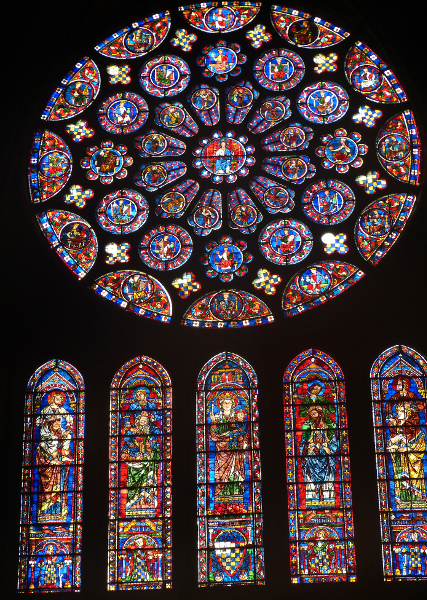
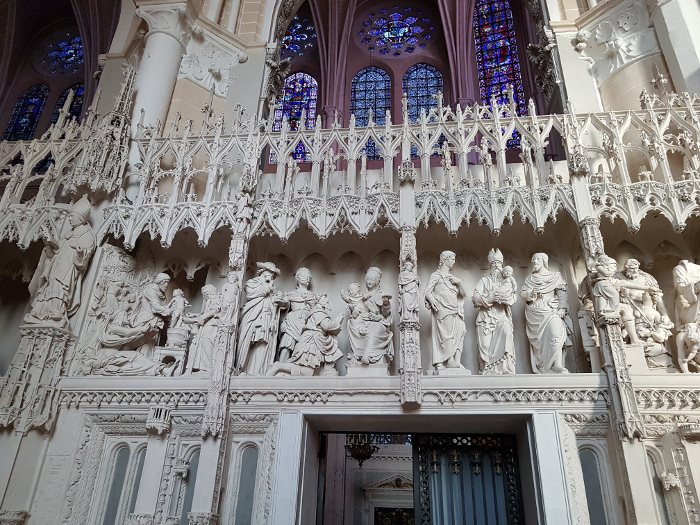
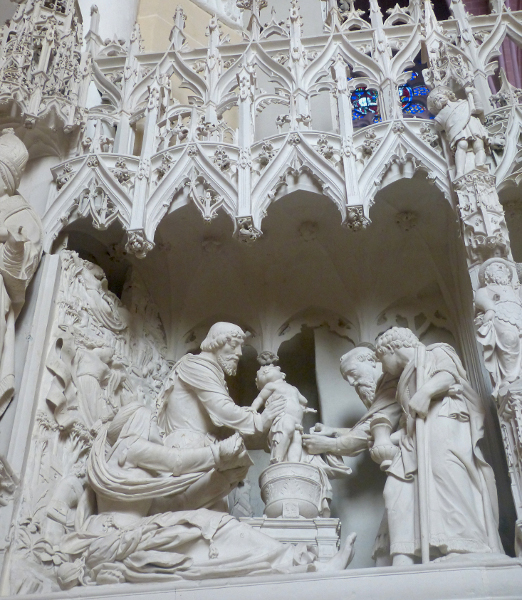
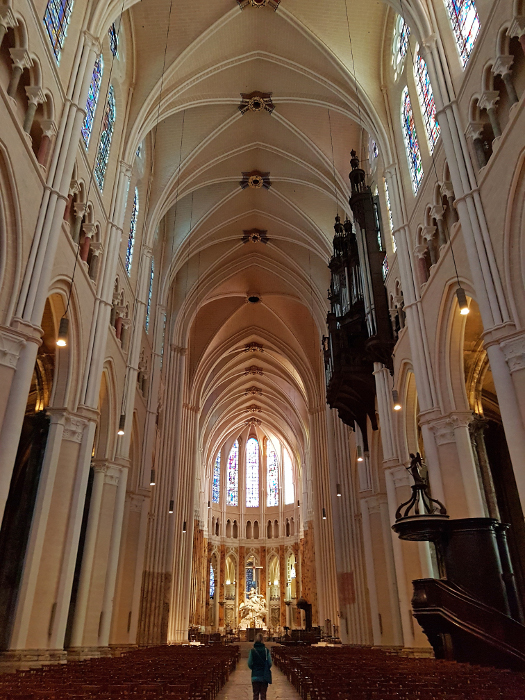
Am Morgen vor meiner Heimfahrt habe ich dann endlich die Kathedrale von innen besichtigt. Die weltberühmten Buntglasfenster, die mehrere Jahrhunderte und zwei Weltkriege überlebt haben (letztere, indem sie herausgenommen, sicher verpackt und versteckt wurden!), sind auf alle Fälle den Besuch wert. Wie im letzten Beitrag erwähnt, gibt es noch 172 Stück davon!

In the morning, just before my long drive home, I at last visited the inside of the cathedral. The world-famous stained glass windows which have survived several centuries and two world wars (the latter by having been taken out of the frames, securely stowed and hidden!), are absolutely worth a visit! Like I mentioned in my last post, there still are 172 of them.

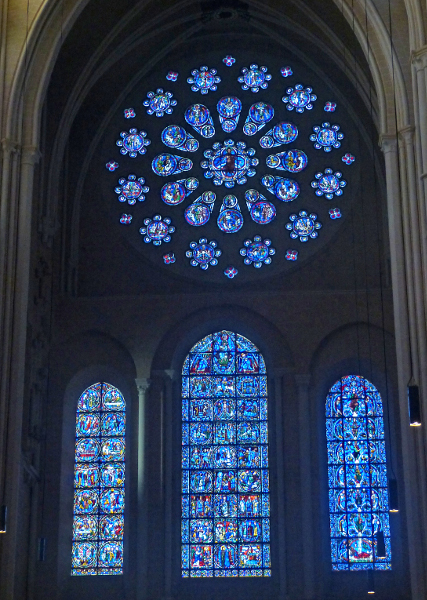
CHARTRES33

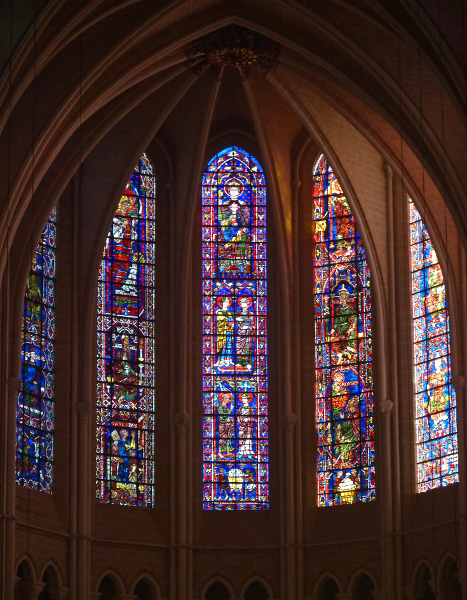
Das berühmte „Chartres-Blau“.

The famous „Blue of Chartres“.

CHARTRES29

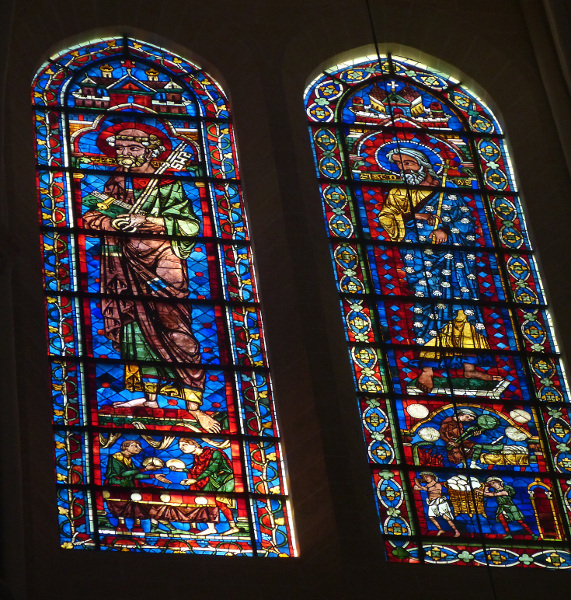
Beim Wiederaufbau nach dem Brand im 12.Jhdt. halfen alle mit: die gesamte Bevölkerung Chartres. Jeder, der etwas entbehren konnte, spendete dafür. Wer großzügig war, wurde in einem der Fenster als Figur verewigt: man sieht außer Heiligen auch alle möglichen Handwerker, etc.

After the fire in the 12th century the whole city of Chartres united to rebuild the cathedral; everybody who could afford it, donated. Those who contributed generously were immortalized as figures in one or other of the windows: besides Saints, there are ordinary people and craftsmen etc.

CHARTRES32

CHARTRES31

Unter den Heiligen die Handwerker!

Below the Saints you see the craftsmen!

CHARTRES34

CHARTRES35

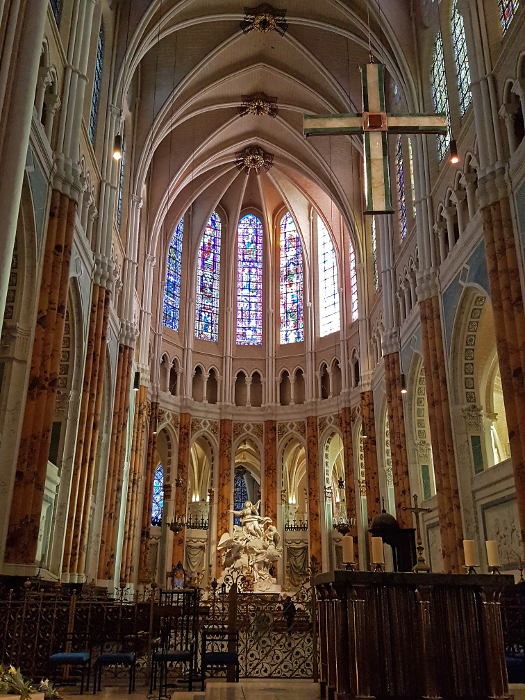
Was mir auch gut gefiel: das Kreuz, das so aufgehängt ist, als schwebe es frei im Raum.

The crucifix is suspended to look like floating in the air – I like that.

CHARTRES21

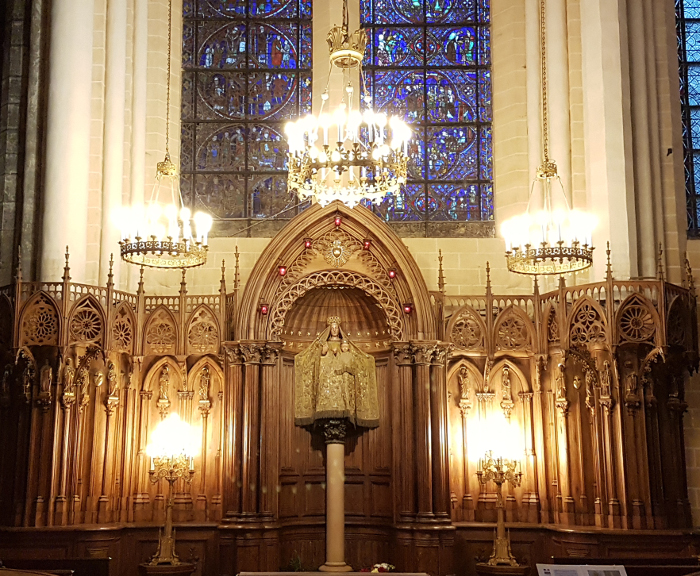
Wie man hier sieht, ist der Altarbereich restauriert; tatsächlich ist „die teuerste Restaurierung Frankreichs“ noch lange nicht abgeschlossen, wie die nächsten Bilder zeigen. Die Art der Restaurierung ist Gegenstand heftiger Diskussionen; viele finden die Farbe viel zu hell, es sei „überrestauriert“ worden, und die bunten Fenster verlören ihre Strahlkraft dadurch. Ok, Letzteres ist wohl nicht ganz falsch, wie man hier sieht. Sie strahlen mehr, wenn – wie bei den obigeren Bildern – an sie herangezoomt wird, was die Umgebung dunkler erscheinen lässt. Wie jedoch die ursprüngliche Farbe war, weiß niemand mehr genau – nur, dass sie natürlich heller war, als auf dem Bild des Chorgestühls unten:

As you see, the altar section has already been restored. Actually, „the most expensive restoration in France“ is still far from complete, as my next pictures show. The way and amount of the restoration is subject to heated discussions; there are those who call it „over-restored“, the paint much too light in colour, and the windows would loose their radiance. Well, the latter might actually be true, as you see here. My pictures above make them glow because I used a tele photo lens which made the surroundings darker. But nobody knows the original colour of the stone/paint as it was in the Middle Ages – only, that it was at least a bit lighter than in the picture of the choir stalls below:

CHARTRES23

Folgendes Bild habe ich zum direkten Vergleich gemacht:

The following picture was taken to show the difference:

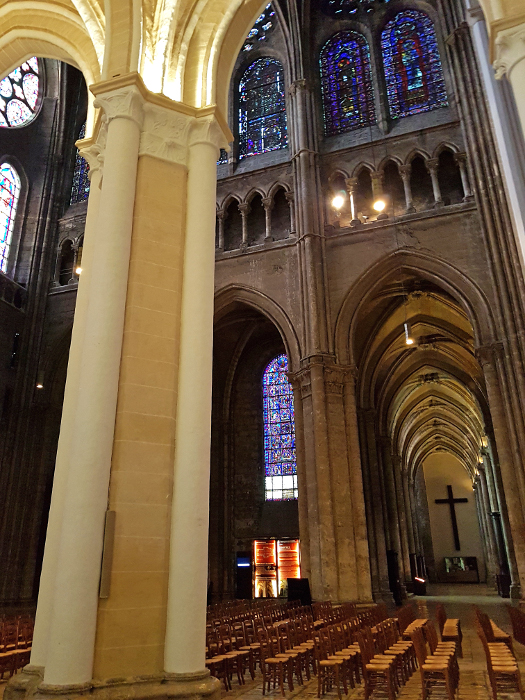
CHARTRES26

Die Säule im Vordergrund ist restauriert, der Hintergrund nicht…

The column in the foreground is restored, the background not…

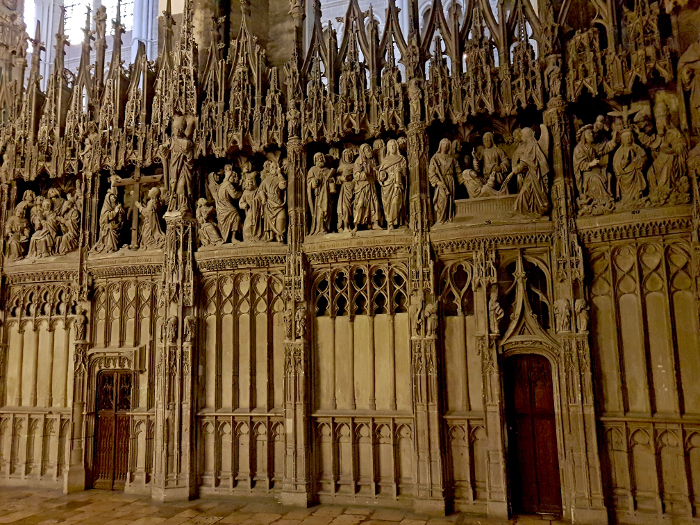
CHARTRES25

Das restaurierte Chorgestühl wirkt wie Spitze! Je nach der Beleuchtung sieht alles mal eher creme-weiß aus oder leicht gelblich.

The restored choir stalls look like lace! Depending on the lighting in the individual spot, it looks more like cream or has a light yellow hue.

CHARTRES36

CHARTRES24

CHARTRES22

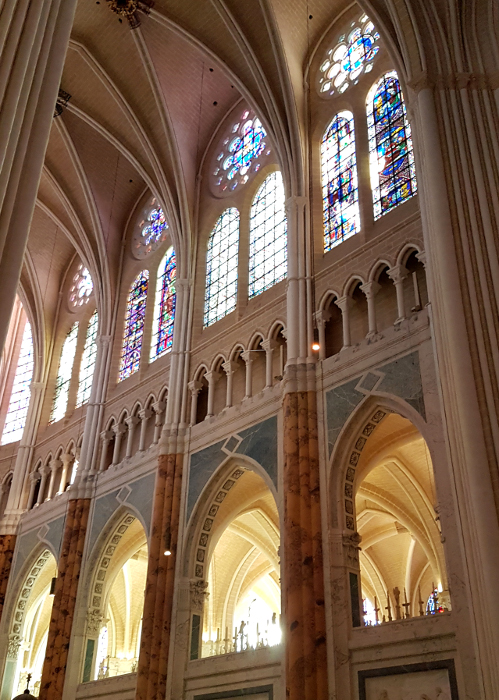
Der Blick ins Seitenschiff fasziniert mit Bögen in Bögen in….

The look up into the side aisle fascinates with arches in arches in…

CHARTRES20

Was immer man von der Farbe halten will: beeindruckend und erhebend ist dieses architektonische Wunderwerk auf alle Fälle! Gerne hätte ich einer Chorprobe zugehört, doch die stand nicht auf dem Programm… Und so endet meine 3-wöchige Reise mit diesen Bildern; mein nächster Beitrag wird dann wieder über ein DIY-Thema sein! Danke an alle, die diesen Reisebericht mitverfolgt haben – ich hoffe, ich habe Euch Lust auf Frankreich gemacht!

Whatever your opinion about the new colour – this architectural wonder is without fail impressing and uplifting! I’d have liked to listen to the choir, but there was no rehearsal on schedule during my visit. So my 3-week trip ends with these pictures: my next post will once again be about a DIY theme! Thanks to all followers of this visual travel journal – I hope you consider France a worthy destination now!


Die Kathedrale von Chartres, Teil 1 – Chartres Cathedral, Part 1

Als letztes Highlight meiner Reise, schon auf dem Rückweg, besuchte ich Chartres, um die weltberühmte Kathedrale zu besichtigen. Ich kam abends an und bewunderte sie erst einmal von außen:

The last highlight of my trip, already on my way back, was Chartres with its renowned cathedral. Arriving in the evening, I admired it from the outside:

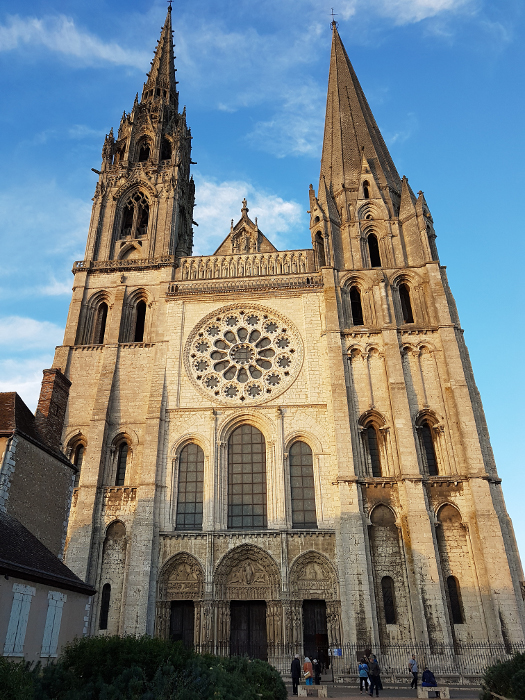
CHARTRES2

Oben: Die Westfassade, der älteste Teil des Baus – alles andere wurde im 12.Jhdt. durch einen Brand zerstört und innerhalb 26 Jahren wieder aufgebaut. Die Kirche ist einer der ersten, größten und schönsten Sakralbauten der Hochgotik (die in Frankreich früher begann als in Deutschland). Die architektonische Höhe beträgt 115m.

Above: The western facade is the oldest part of the building – everything else had been destroyed by a fire in the 12th century and rebuilt during 26 years. The church is one of the first, biggest and most beautiful sacral buildings of the High Gothic period (which in France began earlier than in Germany). Its architectural height is 115 meters.

CHARTRES3

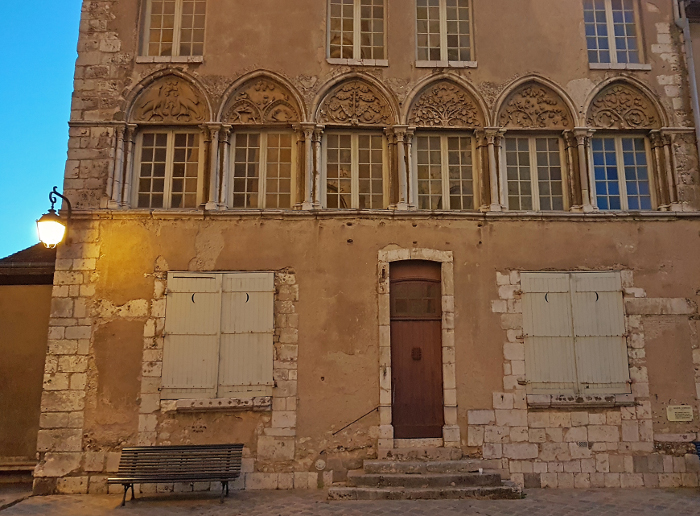
Das Nordportal. Für einen Blick hinein war ich an diesem Tag zu spät dran; das verschob ich auf den nächsten Morgen. Stattdessen sah ich mir die Altstadt um die Kathedrale an:

The northern portal. Visiting hours having ended for this day, I postponed the peek inside until the next morning and meandered a bit through the old city streets around the cathedral:

CHARTRES10

CHARTRES27

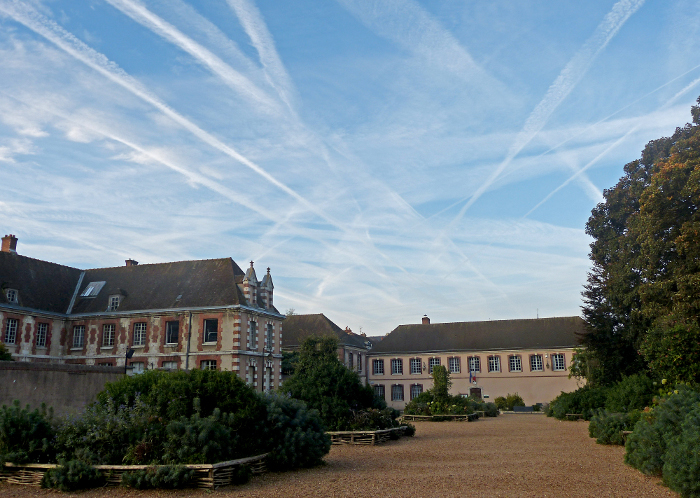
Die vielen Kondensstreifen erinnern an die Nähe zu Paris (78km Luftlinie)!

The many contrails are reminders of the vicinity of Paris (78km as the crow flies)!

CHARTRES9

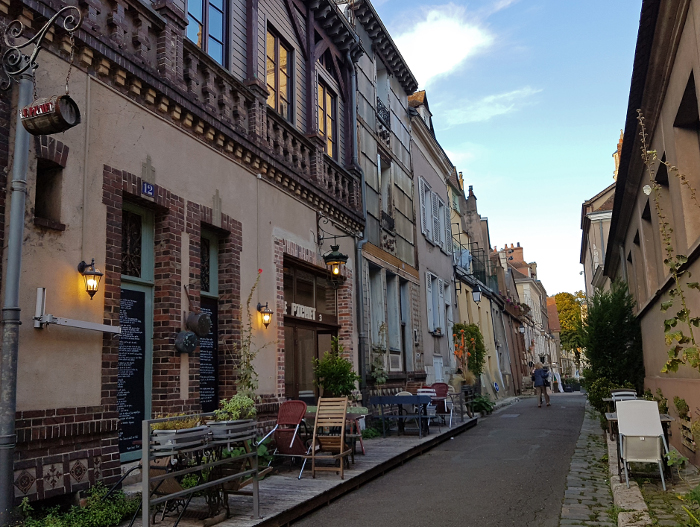
Einladende Cafés und Restaurants südlich der Kathedrale…

Inviting cafés and restaurants south of the cathedral…

CHARTRES5

CHARTRES1

CHARTRES4

CHARTRES6

CHARTRES7

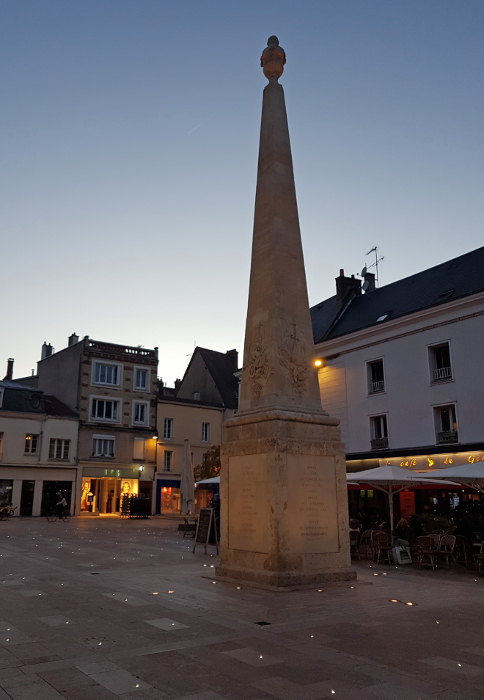
Oben: abends verlassen: der „Gemüsemarkt“ – am nächsten Morgen sah ich, dass es dort durchaus auch andere Produkte gibt, doch das überdachte Zentrum bleibt den Obst- und Gemüsehändlern vorbehalten.

Above: the „Vegetable Market“, abandoned in the evening. The next morning I learned that you can get other goods there, too, only the covered centre is reserved for vendors of fruits and vegetables.

CHARTRES8

Ganz zauberhaft fand ich die Beleuchtung auf diesem Platz: ein „Sternenhimmel“, eingelassen im Boden. Und nun wurde es allmählich dunkel genug, um zur Kathedrale zurückzukehren: ich freute mich schon sehr auf die Lichtshow „Chartres en Lumière“!

I really love the enchanting illumination on this place: like a starry sky, embedded in the ground. But now it got darker, so I returned to the cathedral for the lightshow I was already looking forward to: „Chartres en Lumière“!

CHARTRES11

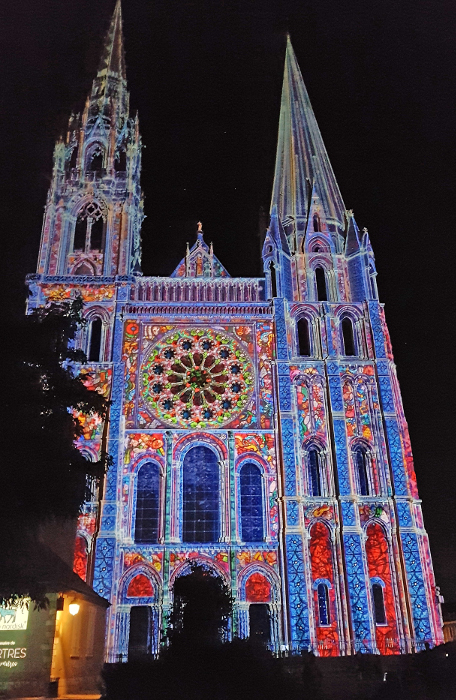
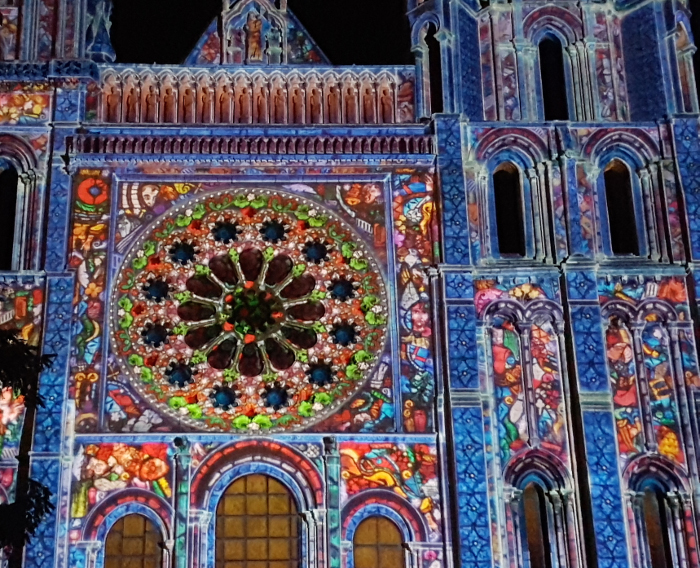
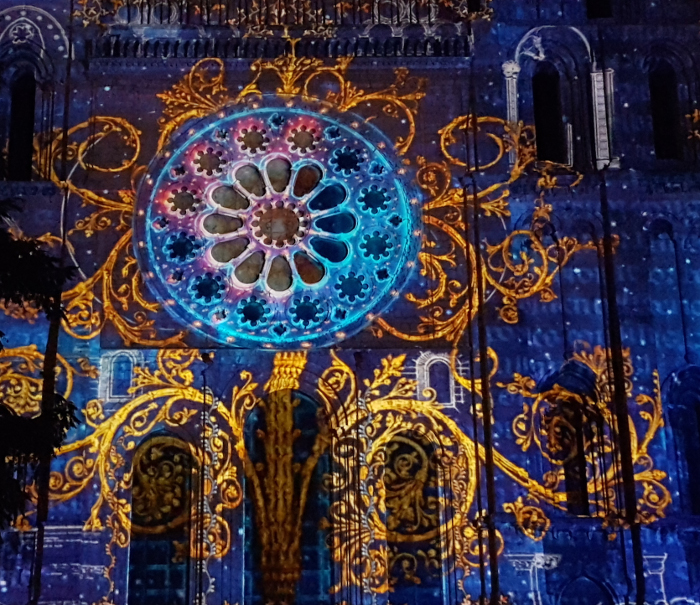
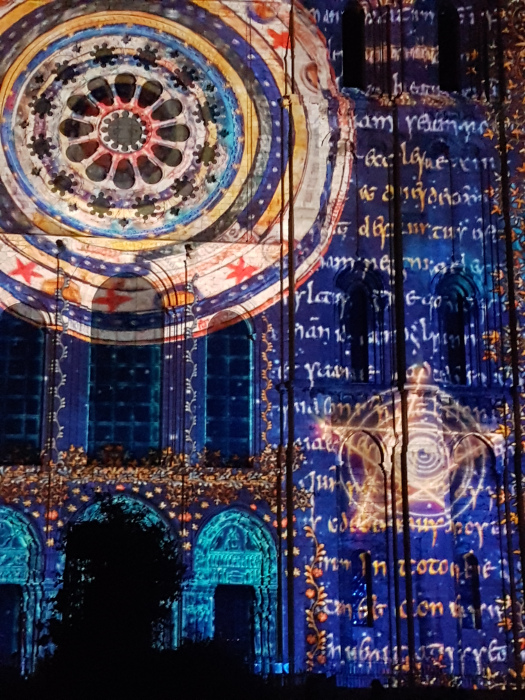
Die größte Attraktion ist dabei die Westfassade der Kathedrale, obwohl auch die anderen Seiten und etliche andere Gebäude in Chartres beleuchtet werden, manche statisch, manche, wie die Westfassade, mit bewegten Bildern und Musikuntermalung. Insofern kann ich hier natürlich nur einen kleinen Eindruck vermitteln; wer die ganze Lichtshow sehen will, mit Musik (und das ist wirklich lohnenswert!), muss auf youtube gehen, unter „Chartres en Lumière“ kann man das Video abspielen (ist aber nicht von mir!). Ich kann nur sagen, dass ich die ganzen 15 Minuten total verzaubert war!

The greatest attraction is the lightshow on the western facade of the cathedral, even if the other sides and several other buildings in Chartres are illuminated; some with static pictures, some, like here, with moving pictures and a music background. So of course my pictures only can be a glimpse, a small impression. If you want to see the show with music – and that’s very recommendable – just go on youtube and watch the video „Chartres en Lumière“ (not by me)! I can only say that I stood there watching mesmerized the whole 15 minutes!

CHARTRES12

CHARTRES13

Die Show ist inspiriert von allem, was mit der Geschichte oder den besonderen Eigenschaften der Kathedrale zu tun hat. Hier sind es die berühmten alten Buntglasfenster, derer 172 Stück erhalten sind.

The show is inspired by everything to do with the cathedral; history and special features of the building. Here it relates to the 172 old stained-glass windows which are still in place.

CHARTRES14

CHARTRES15

CHARTRES16

CHARTRES19

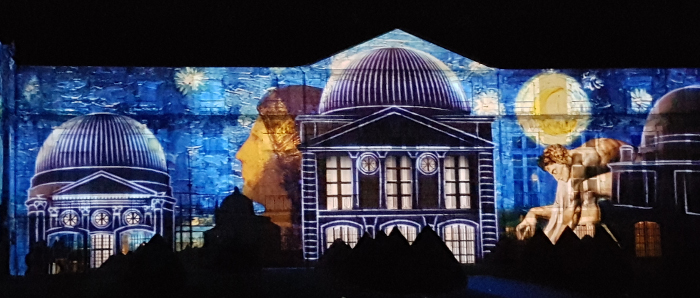
Oben: statisch beleuchtetes Nordportal; das sieht erstmal komisch aus, so bunt, doch tatsächlich waren die Figuren im Mittelalter bunt! Unten: ein anderes Gebäude neben der Kathedrale:

Above: the northern portal; it looks a bit strange, so colourful, but actually the statues were painted in bright colours in the Middle ages! Below: a different building beside the cathedral:

CHARTRES18

Im Übrigen gibt es diese Art Lichtshow in Frankreich in allen Städten, die etwas auf sich halten und alte Gebäude haben; auch die Loireschlösser bieten Ähnliches. Es kommt halt auf die einzelnen Termine an – ich kann es nur empfehlen! In Chartres ist dies jeden Abend bei trockenem Wetter von Mitte April bis Oktober; zusätzlich gibt es immer ein Wochenende mit zusätzlichen Attraktionen „Fête de La Lumière“. Diese Eindrücke waren jedenfalls ein würdiger, krönender Abschluss meiner wunderschönen Reise! Blieb nur noch die Besichtigung des Inneren der Kathedrale, mit den Originalfenstern, am nächsten Vormittag – der Bericht dazu im nächsten Beitrag…

By the way, many cities and castles in France offer shows of this kind in summer – each location has its own dates of performances. In Chartres it’s from Mid-April to October every evening (except when it rains). In addition, there’s one weekend with even more attractions „Fête de la Lumière“. These impressions were a worthy culmination of my wonderful trip! What is left, is my visit of the inside of the cathedral with the original windows – you’ll be able to read about that in my next post…


St. Malo mit Bootstour – A Boat Trip in St. Malo

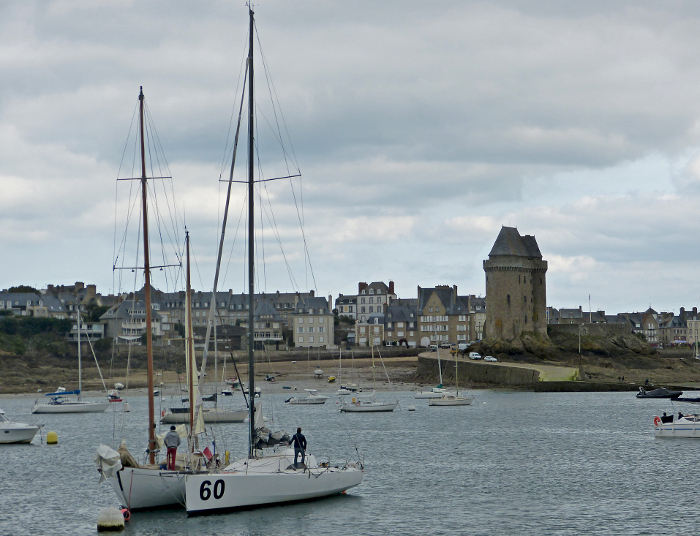
So, da bin ich wieder – die letzte Woche war zu voll mit Terminen, ich konnte mich nicht um den Blog kümmern. Dabei fehlen ja noch zwei Beiträge von meinem Bretagne-Urlaub! An meinem vorletzten Tag war ich nach dem Austernessen in Cancale ja nach St. Malo gefahren, wo ich eine Bootstour gebucht hatte. Leider wurde das Wetter zunehmend düsterer, mit starkem Wind. Aber: es blieb trocken! Also: alles an Bord!

After a week full of work and other obligations I’m back now with the last two posts about my trip to Brittany. Arriving at St. Malo after my lunch of oysters in Cancale, the weather deteriorated – heavy clouds and a strong wind made me fear that the boat trip I had booked would be a bust – but, no, it stayed dry! So: welcome aboard!
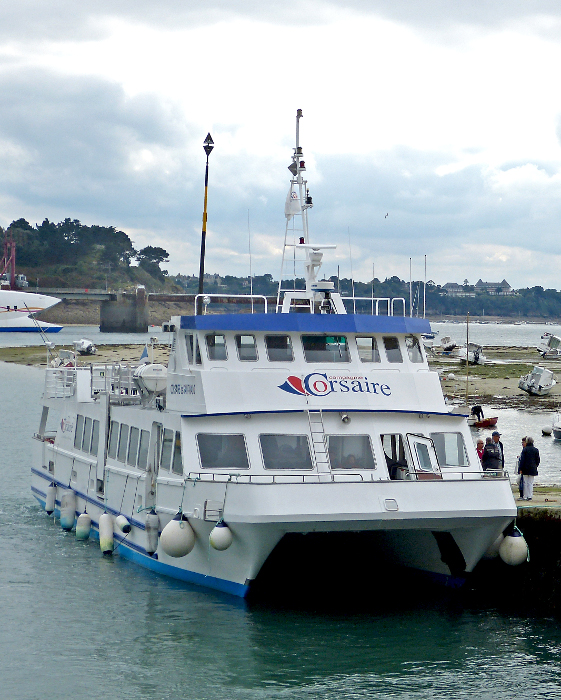
StMalo18

Die Ausflugslinie nennt sich „Corsaire“, der „Korsar“, oder „Freibeuter“. Letzteren werden wir im Lauf dieses Beitrags noch einmal begegnen (die Franzosen lieben Freibeuter!); da werde ich dann auch den Unterschied zwischen „Pirat“ und „Freibeuter“ erläutern – oder kennt Ihr den schon? Doch nun heißt es erstmal: „Leinen los!“

The excursion line is called „Corsaire“ – the „privateer“. In this post we will encounter this term again – the French love their privateers! – and I’ll explain the difference between a pirate and a privateer, if you don’t know already. But for now it’s „Cast off!“

StMalo3

Abseits der Fahrrinne ist mal wieder Ebbe…

Outside the fairway it’s low tide once again…
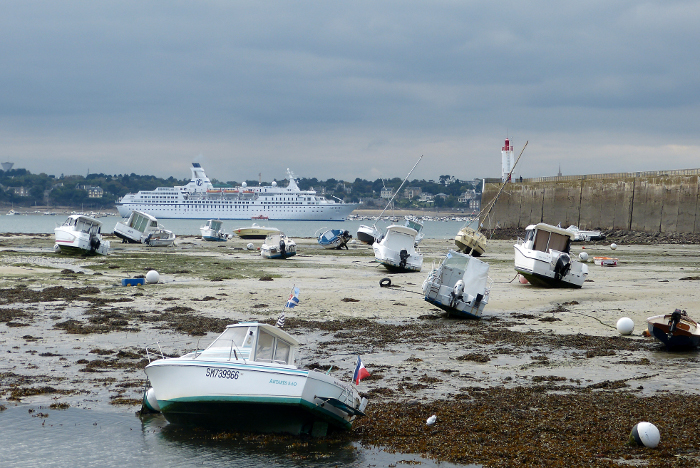
StMalo1

St. Malo ist ja auch eine sehr befestigte Hafenstadt, die, wie manche anderen alten Städte, ein „intra muros“ und „extra muros“ kennt – also die Altstadt innerhalb der Mauern und die jüngere drumherum. Allerdings sollte man beim Betreten der Mauern etwas vorsichtiger sein…

St. Malo has massive fortifications and consists of a town „intra muros“ and one „extra muros“, like several old cities. When climbing the ramparts you should be a bit more careful, though…

StMalo2

Zunächst fahren wir aus dem Hafen nicht gleich auf’s Meer, sondern in die andere Richtung, ein Stück die Rance-Mündung hinauf. Da der Tidenhub hier sehr stark ist, gibt es nämlich ein Gezeitenkraftwerk, das mithilfe von Turbinen aus den Pegelunterschieden zwischen Ebbe und Flut Energie produziert. Bei seinem Bau in den 60er Jahren war es das erste – und lange Zeit das größte – Gezeitenkraftwerk der Welt. Hier sieht man nur eine große Mauer – alles Wichtige ist innerhalb.. Oben auf dem Damm geht eine Straße lang.

When leaving the harbour, we at first don’t go out to sea, but in the other direction: a short way up the mouth of the river Rance, where a tidal power station uses the high tidal range to produce electricity with the aid of water turbines. When it was built in the sixties, it was the first – and for a long time the biggest – tidal power station of the world. Here we just see a big wall, the dam, on top of which there is a road. The important parts lie inside..
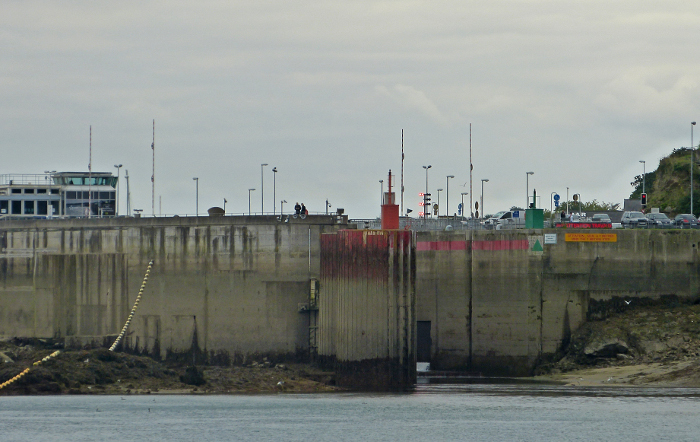
StMalo10

Abgesehen von Möwen halten sich auch Kormorane gern hier auf:

Not only gulls, but also cormorants love these waters for easy fishing (and relaxing):

StMalo9

StMalo8

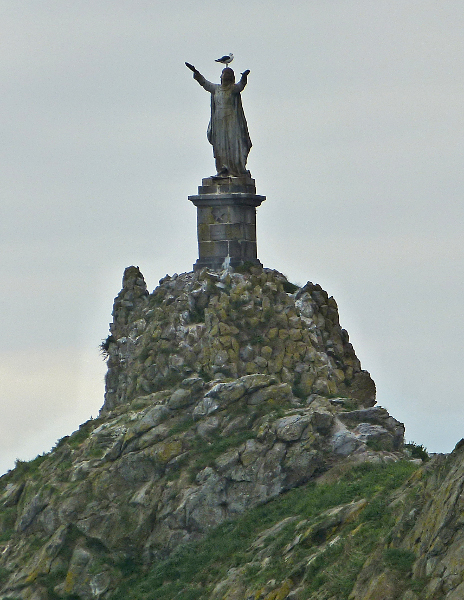
Vor lauter Fotografieren hatte ich die Erklärung verpasst, wen diese Statue darstellt: Jesus, Maria oder den Mönch, der St. Malo den Namen gab? Die Möwe interessiert das auch herzlich wenig – solange sie einen guten Aussichtspunkt hat! Unten: Picknick in den Felsen!

Klicking away on my camera, I had missed the explanation about this statue: is it Jesus, St.Mary or the monk who gave St. Malo its name? Well, the gull isn’t interested in this knowledge at all – as long as the statue provides a perfect lookout! Below: picnic on the rocks!
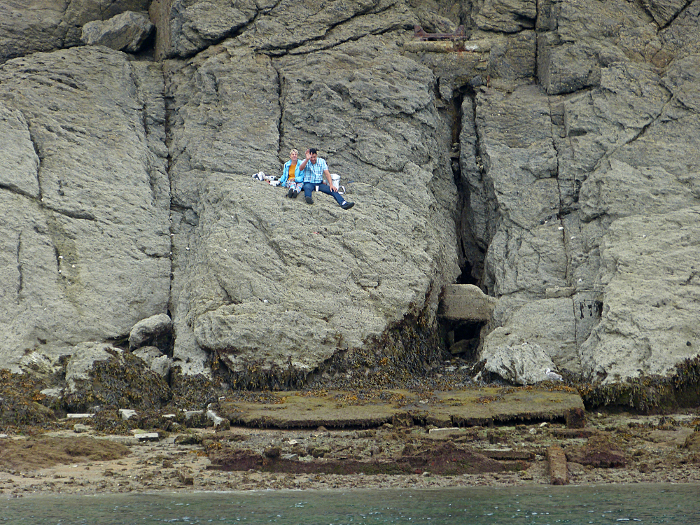
StMalo11

StMalo5

Doch dann ging es ein Stückchen hinaus durch den Hafen auf die See. Dabei begegnet man den verschiedensten Booten und Schiffen: oben ein schnelles Passagierboot (Katamaran), diese Linie verbindet St.Malo mit den Kanalinseln. Unten: ein „kleines“ Kreuzfahrtschiff.

But now we turned towards the sea, passing the harbour and meeting a lot of different boats and ships: above you see a fast passenger boat (catamaran) which runs a connection to the channel isles. Below: a „small“ cruise ship.

StMalo12

StMalo14

Oben: eine Segelschule. Unten: Der „Renard“ (Fuchs), ein Nachbau des berühmtesten Freibeuterschiffs (!) Frankreichs. Also: ein Pirat ist ein Ausgestossener, ein Krimineller mit ausschließlich Eigeninteressen. Ein Freibeuter dagegen hat einen Freibrief seines Herrschers, dass er (nur) die gegnerischen Handelsschiffe kapern darf. In früheren Kriegen unter den Seemächten war das auf allen Seiten gang und gäbe – wie z.B. der Engländer Francis Drake gegen Spanien und Portugal. Im Krieg Frankreich gegen England war es der Franzose Robert Surcouf, der von St. Malo aus mit seinem „Renard“ die Engländer das Fürchten lehrte! Das Schiff ist erstaunlich klein, aber extrem wendig, und zusammen mit einem fähigen Kapitän und einer ordentlichen Mannschaft brachte es 47 englische Schiffe auf, welche häufig deutlich größer waren. (Das verwundert nicht, wenn man bedenkt, mit welch winzigen Booten heute somalische Piraten riesige Tanker kapern!) Surcouf erbeutete solchen Reichtum, dass er sich mit 35 Jahren zur Ruhe setzen konnte!

Above: a sailing school. Below: the „Renard“ (fox) , a faithful replica of France’s most infamous privateer’s (!) ship. So: a pirate is an outcast, a criminal who only seeks his own interests. A privateer had the official permission of his sovereign to capture (only) the enemy’s traders. In former times this was common practice during wars between naval powers. Just think of Francis Drake who captured Spanish and Portugese ships „for England“. When France fought England, it was the French privateer Robert Surcouf of St. Malo with his „Renard“ who put the fear of God into English merchant sailors! The ship seems quite small, but it’s very agile, and with a competent captain as well as a capable crew it captured 47 English traders, some of them much bigger (which is no surprise when you think of the tiny boats of today’s Somali pirates who capture gigantic tankers!) Surcouf made so much booty that he could retire at the age of 35!

StMalo13

StMalo15

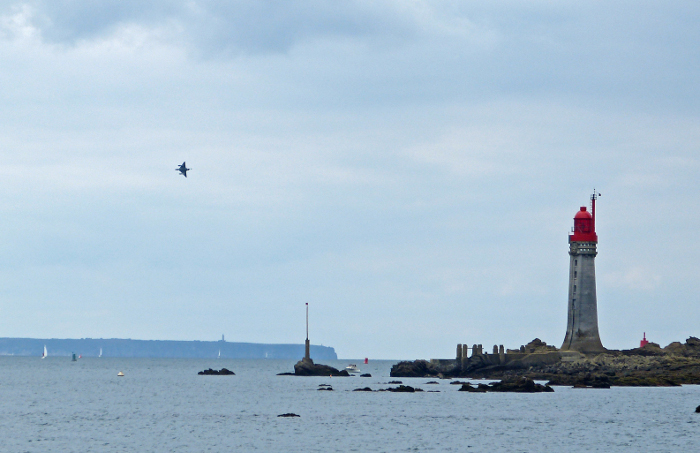
Oben: der „komische Vogel“ dient allerdings nicht der Piratenabwehr, sondern ist Teil einer Übung der französischen Luftwaffe…

Above: this „strange bird“ doesn’t look for pirates but is part of an exercise of the French airforce…

StMalo16

Oben: ein Teil der Befestigungsanlagen, die ein Schüler des berühmten Vauban errichten ließ.

Above: this fort is part of the fortifications, built by a scholar of the famous Vauban.

StMalo7

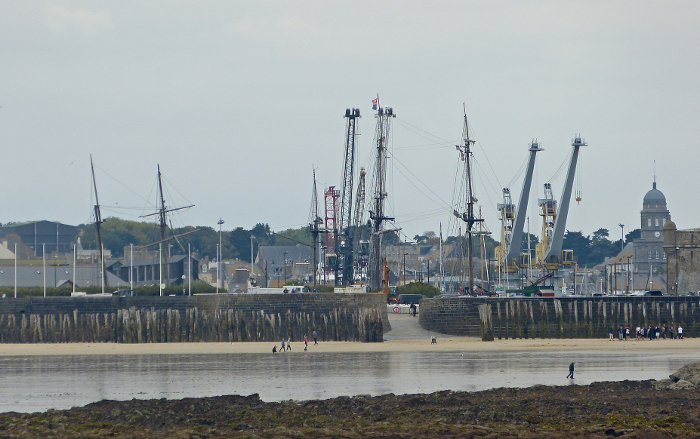
Dann ging es allmählich zurück in den Hafen…

Then it was time to return to the harbour…
StMalo17

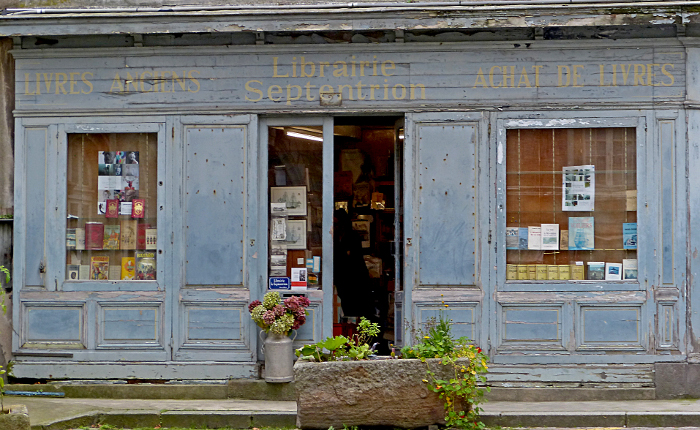
Komplett dunkelgrauer Himmel inzwischen, doch noch kein Regen, und wenigstens einen kurzen Spaziergang durch und entlang der Altstadt wollte ich mir nicht entgehen lassen:

In the meantime the sky was dark grey, but still no rain, so I at least wanted to take a peek of the city „intra muros“:

StMalo19

StMalo20

StMalo21

StMalo24

StMalo25

Ein wunderschön nostalgisch gestaltetes Karrussell!

A beautifully nostalgic carousel!

StMalo26

Mädchen und Pferde…

What’s it with girls and horses?
StMalo27

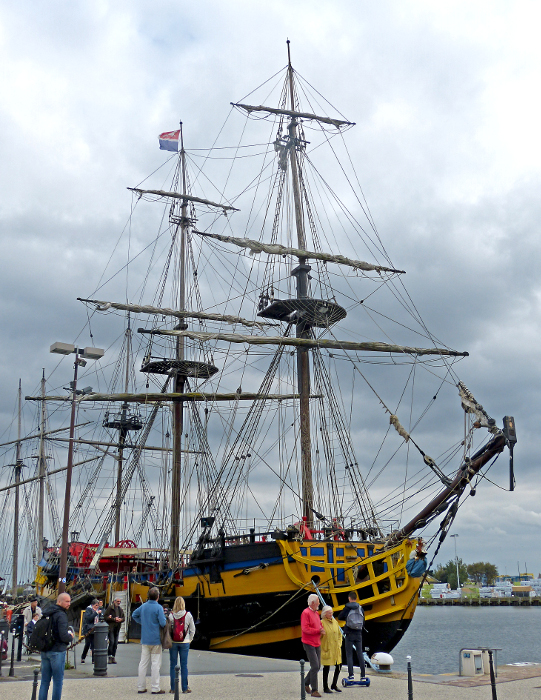
Die Fregattte „Etoile du Roy“  ist auch ein Nachbau, der stark von der HMS Blandford(1741) inspiriert wurde. Sie wurde für eine italienische Filmserie nach dem Roman „Horatio Hornblower“ gebaut. Sie ist nicht nur zu besichtigen, sondern auch für Gruppen als Ausflugsschiff zu chartern – vielleicht sollte ich das mal für unseren nächsten Betriebsausflug vorschlagen? 🙂

The frigate „Etoile du Roy“ also is a replica the design of which has been inspired by the HMS Blandford (1741). It was built for an Italian TV series after the novel „Horatio Hornblower“. Now you can visit it or charter it for a group excursion – perhaps I should propose this for our next works outing? 🙂


Austern in Cancale – Oysters in Cancale

Mein Besuch in Cancale war nur kurz, da ich anschließend nach St. Malo weiterfuhr, um dort eine gebuchte Bootstour zu machen. Doch DEN Ort, um frische Austern zu essen, wollte ich mir nicht entgehen lassen!

My visit to Cancale was quite short because I had already booked a boat trip in St. Malo. But I at least wanted to try fresh oysters in Cancale which is famous for this shellfish.

Cancale2

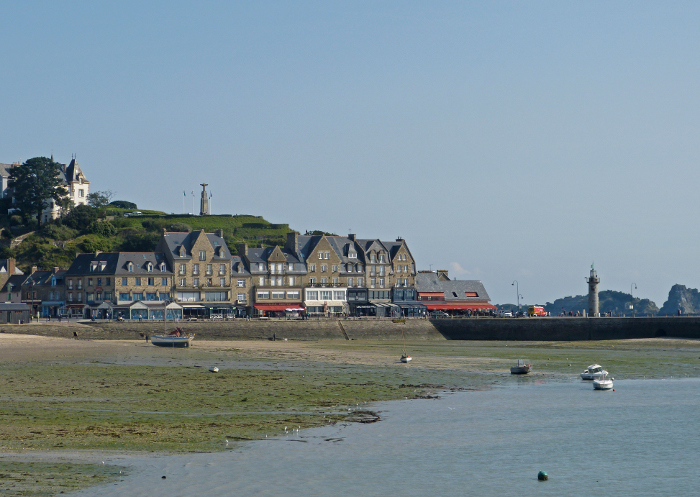
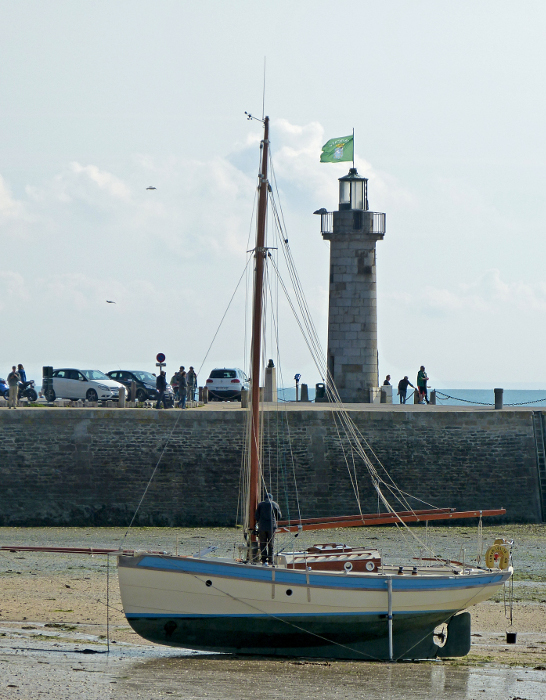
Der Ort selbst ist klein, soll aber auch recht hübsch sein – ich war nur am Hafen. Vielleicht ist es Euch schon aufgefallen, dass auf meinen Bildern die Boote meist auf dem Trockenen sitzen: das liegt daran, dass während meines Aufenthaltes an der Nordküste nur früh morgens und spät abends Flut war, sonst Ebbe. Und da die Nordküste einen Tidenhub von bis zu 5m hat, ist das sehr deutlich, fast wie an der deutschen Nordseeküste!

The town of Cancale is quaint; I only went to the harbour. Perhaps you have noticed that in my pictures the boats mostly sit on sand – during my stay high tide only was early in the morning and late in the evening, so I always met low tide. The tidal range on Brittany’s north coast is up to 5meters, a considerable difference! It reminded me of the German North Sea coast.

Cancale5

Cancale4

Cancale6

Hier, direkt neben den Austernbänken, sind die Stände, wo man sie frisch erstehen – und gleich an der Mole verzehren – kann.

Here, right beside the oyster beds, you find the stands where you can buy them fresh – and eat them sitting on the pier.

Cancale1

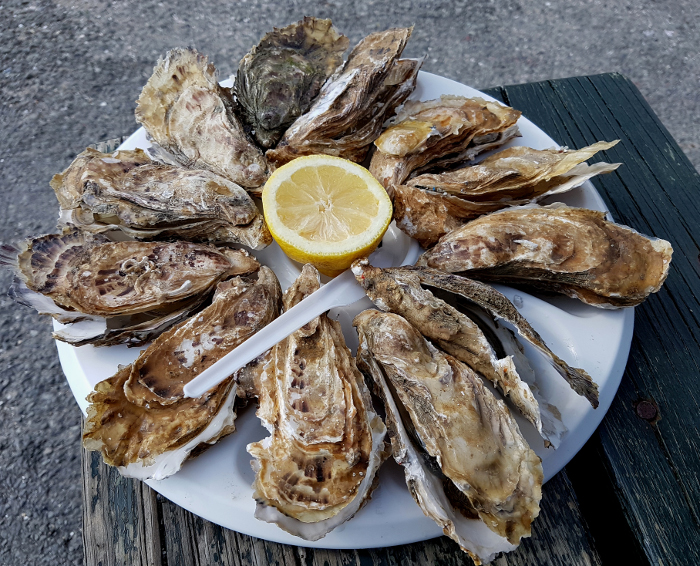
Das war mein Mittagessen! Ich hatte erst einmal im Leben eine Auster probiert – da war ich 15 Jahre alt und auch in (Süd-)Frankreich. Damals konnte ich mit dem Salzwassergeschmack nichts anfangen; diesmal habe ich das Wasser so gut wie möglich abgegossen und die Austern nicht nur geschlürft, sondern auch gekaut – das schmeckte mir besser!

Above you see my lunch! Up to now I had tried oysters only once in my life – when I was 15 years old and on a vacation in the south of France. At the time I didn’t like the strong taste of salt water. This time, I simply poured off the water and didn’t just gulp the oysters down but chewed them – much better!

Cancale8

Die Austernbänke: bei Ebbe mit dem Traktor zugänglich!

The oyster beds: at low tide they are tended to by tractor!

Cancale7

Cancale3

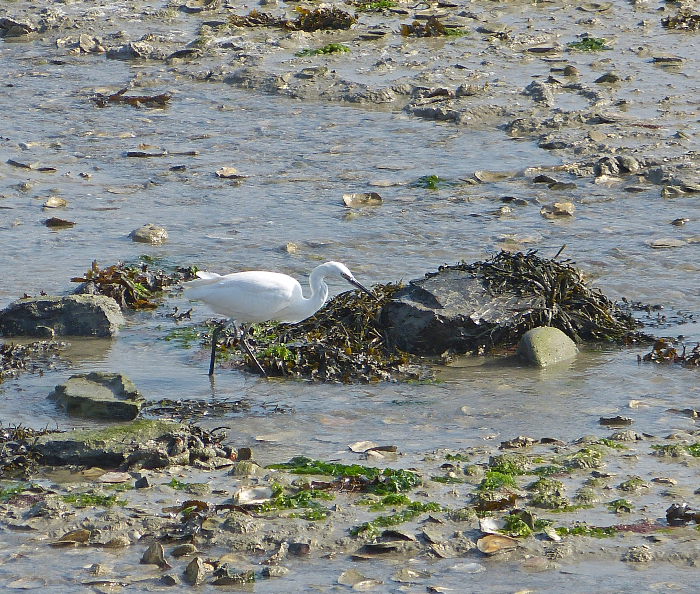
Die Seidenreiher finden ihre Mahlzeit auch zwischen Austernschalen.- Über St.Malo und die Bootstour berichte ich das nächste Mal!

The little egrets also find their meal between the oyster shells.-  My next post will be about St.Malo and my boat trip!

Ein Tag in Dinan – A Day in Dinan

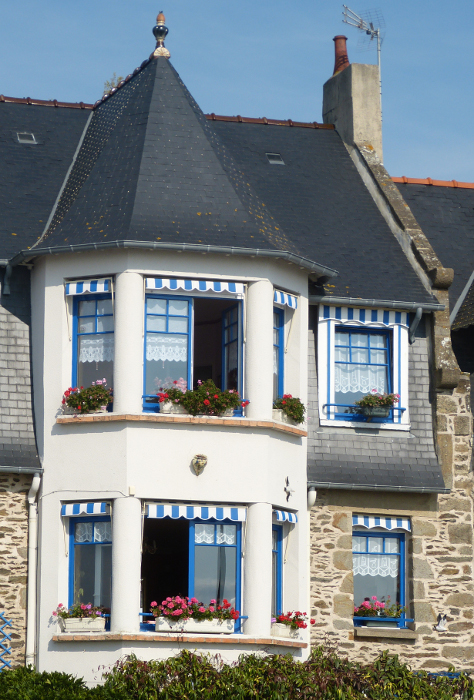
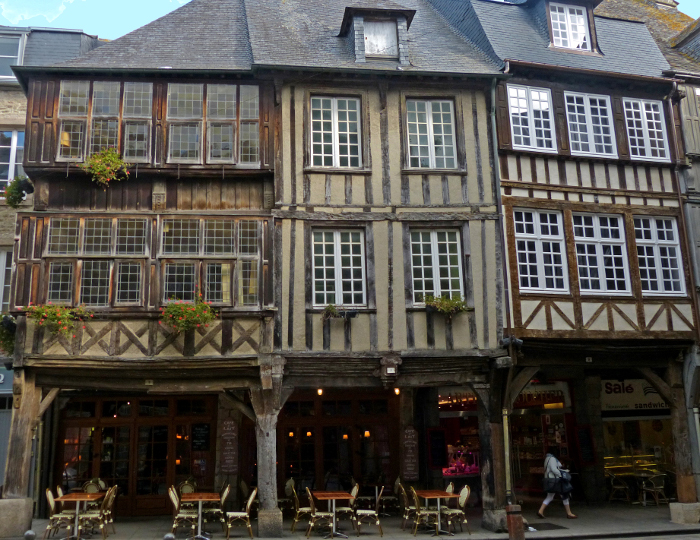
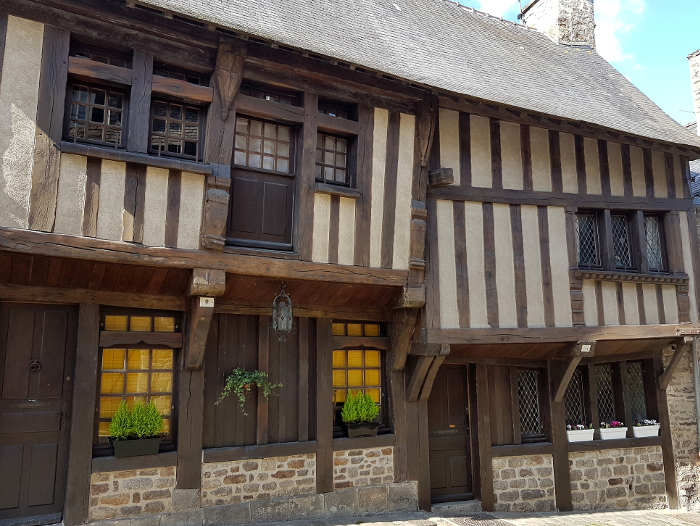
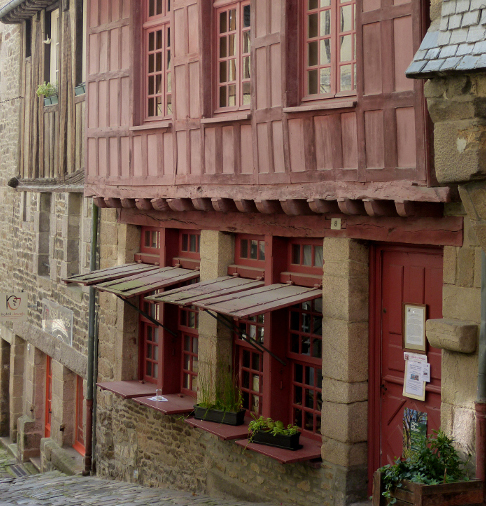
Willkommen in Dinan, einer der hübschesten Städte, die ich in der Bretagne besucht habe! In der Altstadt gibt es jede Menge mittelalterliche ( und andere) Fachwerkhäuser in alten Gassen zu sehen:

Welcome to Dinan, one of the most picturesque towns I’ve seen on my trip! In the old part of the city you can admire a lot of timbered and half-timbered houses from the Middle Ages and other centuries in old alleys:

Dinan5

Dinan1

Dinan11

Dinan6

Dinan8

Dinan2

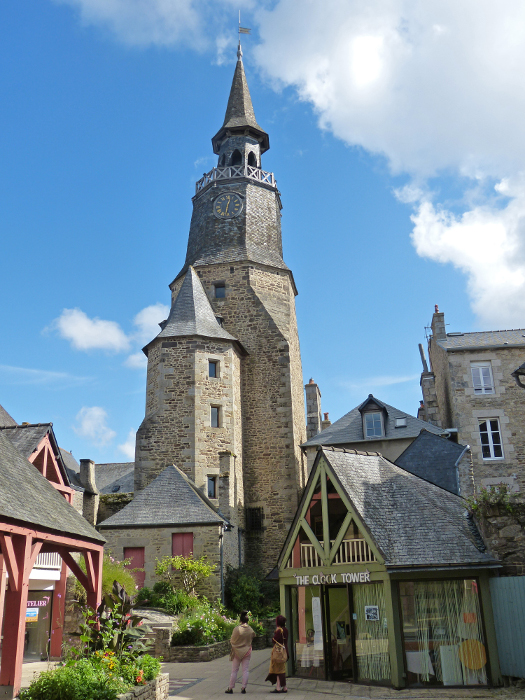
Auf dem letzten Bild sieht man im Hintergrund den Uhrenturm, den man besteigen kann, um die Aussicht zu genießen. Aber Vorsicht: die Uhr schlägt immer noch die große Glocke alle 15 Minuten – man muss darauf gefasst sein, wenn man oben direkt daneben steht!

On the last picture you see the clock tower in the background. You can climb it to enjoy the sight – but be careful: the clock is still working the big bell every 15 minutes, you have to brace yourself standing up there near the bell!

Dinan32

Dinan41

Eine alte, ausgediente Glocke…

An old bell put out of use…

Dinan42

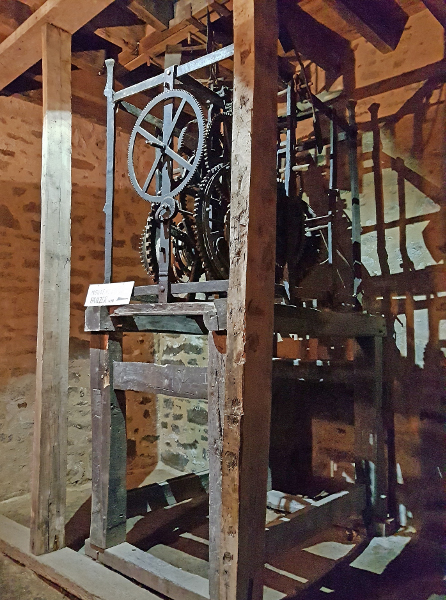
Das Uhrwerk…

The clockwork…

Dinan43

Im Turm – Aufstieg fast geschafft!

In the tower – nearly there!

Dinan36

Und die lohnende Aussicht! Auf diesem Bild ist der Focus die Basilique St.Sauveur (Erlöserkirche), die auch aus der Nähe sehr interessant ist, ebenso wie innen – Letzteres war mir jedoch nicht vergönnt, da gerade Gottesdienst war.

And then the great view! Focus on this photo is the „Basilique St.Sauveur“, basilica Saint Saviour which is also interesting to visit. Alas, I couldn’t enter because there was a mass going on.

Dinan28

Dinan29

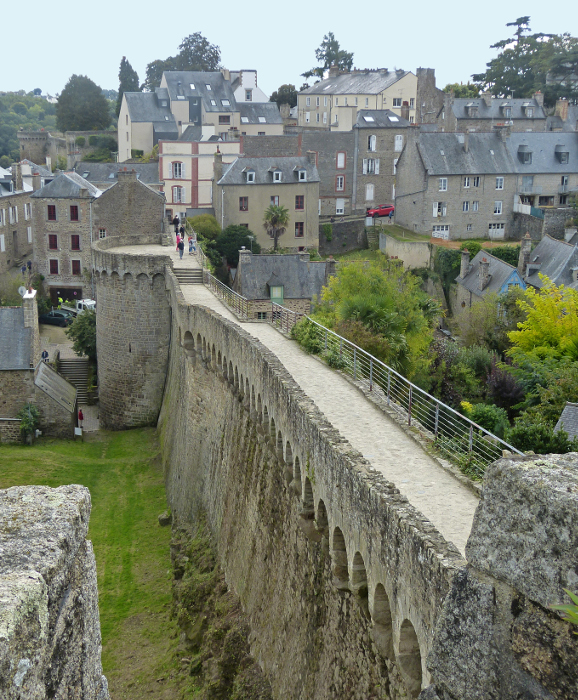
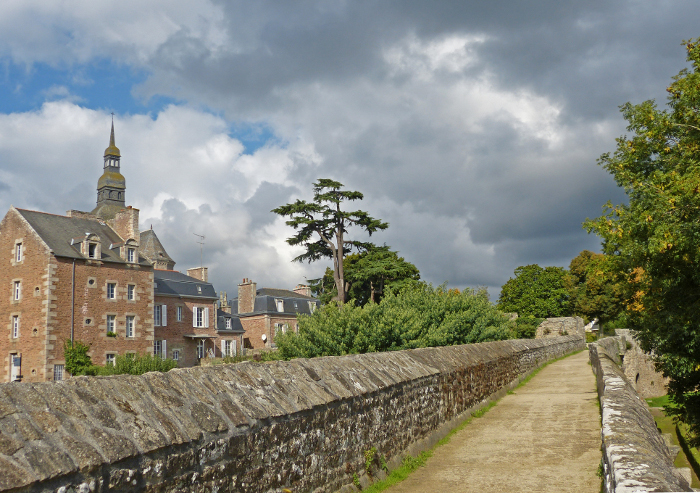
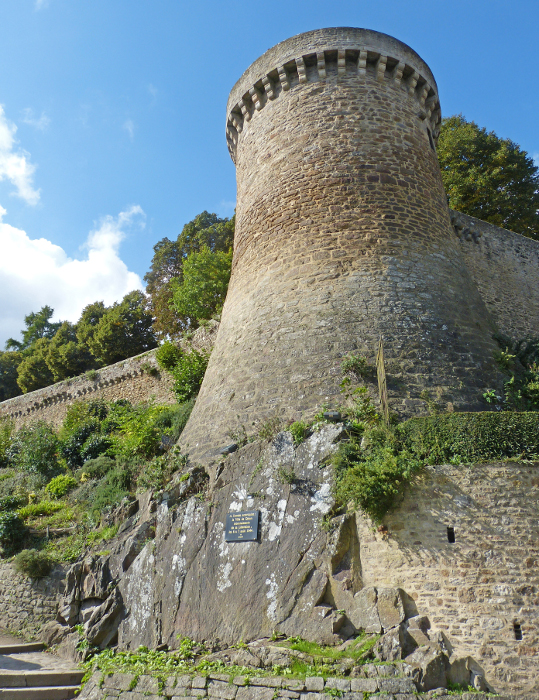
Tolle Aussichten gibt es in Dinan an verschiedenen Stellen: unter anderem von der Stadtmauer aus, auf der man größtenteils auch spazieren kann:

If you like great views, there’s a lot to see in Dinan – for example during a stroll on the old ramparts:

Dinan17

Dinan25

Dinan22

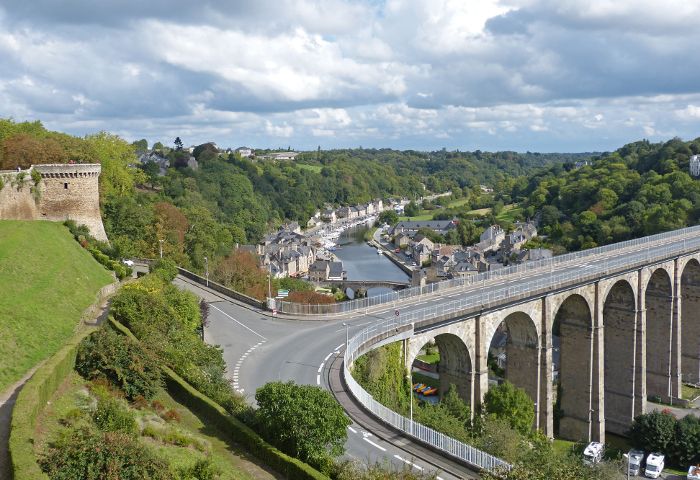
Dieser Blick ins Tal der Rance ist wunderschön. Da unten kann man auch sehr schöne Spaziergänge machen, doch das hebe ich mir für einen nächsten Besuch auf… Die Boote oben liegen im Schatten des großen Viadukts (unten):

This view down to the river Rance is just beautiful. Down there you can take long walks, but this time I declined. The boats above are lying in the shadow of the grand viaduct (below):

Dinan23

Dinan26

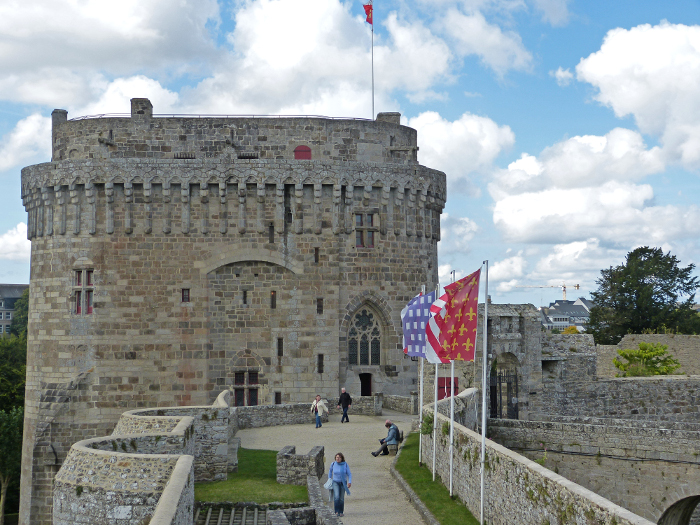
Aber Dinan hat auch ein Schloss! Es ist Schloss und Burg in einem, wie so viele in Frankreich – Dinan ist befestigt, da es im bretonischen Erbfolgekrieg im 14.Jhd. stark umkämpft war.

Dinan also has a castle! It was living quarters for the rulers as well as part of the fortifications. During the War of the Breton Succession in the 14th century Dinan saw a lot of fighting.

Dinan39

Innen sind ziemlich leere Räume mit einigen Informationen über die Geschichte. Allerdings lohnt sich auch hier die Treppe auf das Dach – es war mal höher und spitzer, doch im Krieg wurde es auf diese Plattform reduziert: perfekte Schusspositionen für die Kanonen!

The inside is not too spectacular – more or less empty rooms with some explanations about the history. But climbing the roof you have a nice view, too! It once had been higher and shaped differently, but during the war it had been reduced to the current platform from which canons had a perfect field of fire…

Dinan40

Dinan21

Aber Fotografen lieben ja nicht nur die großartigen, bekannten Blicke, sondern finden Schönheit vor allem auch im Kleinen, in Ecken und Winkeln – dazu eine kleine Diashow:

But photographers not only love the great views but also find beauty in small things, on the margins and in corners – as you can see watching the slide show:

Diese Diashow benötigt JavaScript.

Übrigens: die grauen Dächer sind alle mit echtem Schiefer gedeckt, das sieht man in Deutschland kaum noch… Mit einem letzten Blick auf das Fachwerk verabschieden wir uns von Dinan:

By the way: the grey roofs are all slated – a view you rarely find in Germany anymore. With a last picture of a half-timbered house we say good-bye to Dinan:

Dinan10


Die Rosa Granitküste bei Ploumanac’h – The Pink Granite Coast at Ploumanac’h

Eines der Highlights meiner Reise war der Tag an der „Côte de Granit Rose“. Ich fuhr gleich morgens nach Ploumanac’h, um dort den Zöllnerpfad entlangzugehen – einen der schönsten Wanderwege der Bretagne mit grandiosen Felsformationen. Früher diente dieser tatsächlich der Abwehr von Schmugglern, wie die Ruine eines alten (Schieß-)Pulverhäuschens bezeugt.

A highlight of my trip was the day on the „Côte de Granit Rose“. In the morning I drove to Ploumanac’h to walk the old custom’s officer’s path – one of the most beautiful trails in Brittany, with awe-inspiring rock formations. In former times it served to detect and defend against smugglers, as the ruin of an old powder cabin confirms.

Rosa Granitküste1

Rosa Granitküste6

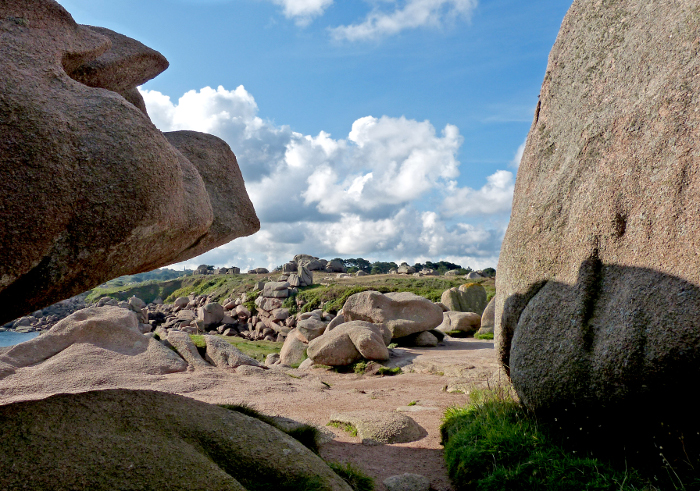
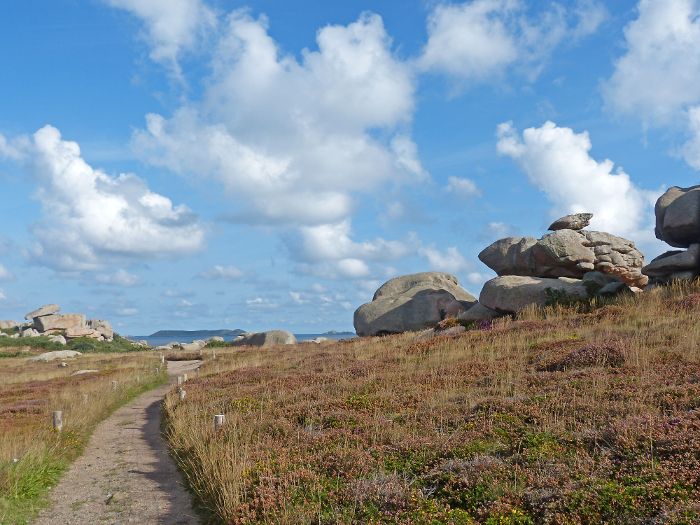
Der rosa Granit wechselt die Farbtönung mit dem Licht – morgens und abends ist er sehr rosa. Ich hoffe, dass Ihr einen Bildschirm habt, der das wiedergibt! Die Felsen regen zum Fantasieren an; ähnlich wie bei Wolkengebilden sieht man hier einen Hasen, dort eine Hexe, etc. Mich faszinierten neben den Formen die Größe der einzelnen Brocken, sowie die unwahrscheinlichen Balanceakte bei einigen…

The Pink Granite changes its hue with the light; mornings and evenings are most colourful. I hope you’ve got a screen which is able to show that! The rocks make you dream: here’s a rabbit, there a witch, etc. I was fascinated by the shapes, heights and by the impossible balance of some of them…

Rosa Granitküste9

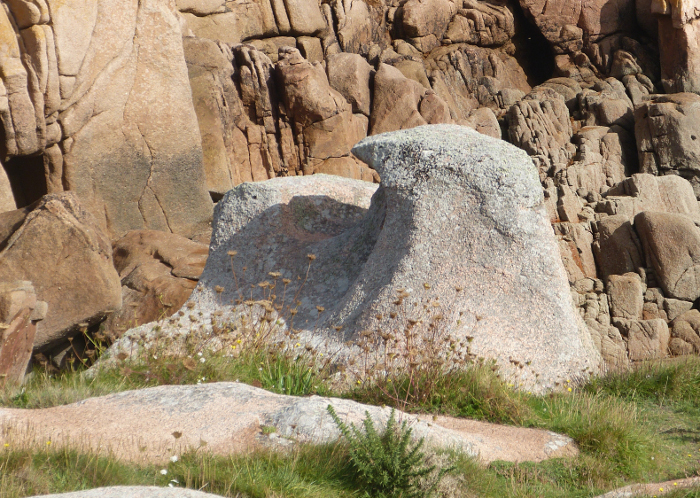
Oben: ich sehe hier einen brütenden Vogel. Unten: dieser Vogel ist echt! Die Farben des Rotkehlchens passen perfekt zu den Felsen…

Above: here I see a breeding bird. Below: this one is genuine! The colours of the robin perfectly match the rocks…

Rosa Granitküste10

Rosa Granitküste7

Rosa Granitküste2

Rosa Granitküste16

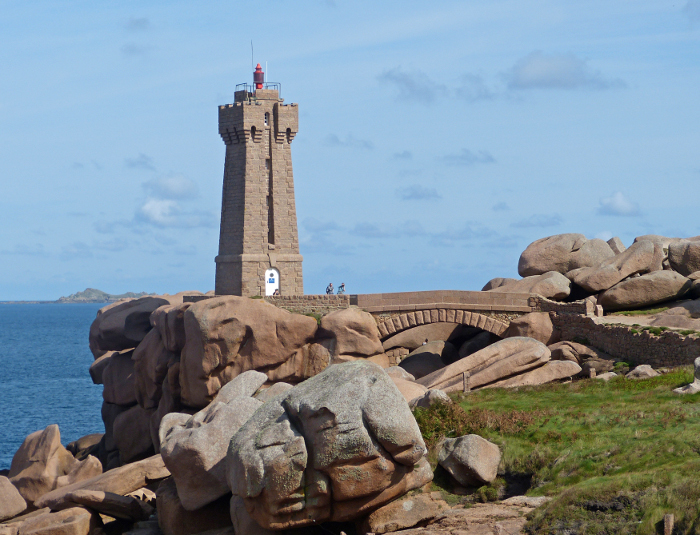
Ein Leuchtturm darf natürlich auch nicht fehlen! In der Ferne sieht man eine der Sept Iles, den Sieben Inseln, die zum größten Teil Vogelschutzgebiet sind. Kormorane und Basstölpel brüten dort, und – leider nur im Frühjahr – sogar Papageientaucher!

Of course, a lighthouse is required, too! Far at the horizon you see one of the Sept Iles, The Seven Islands, which for the most part are a bird sanctuary. Cormorans and gannets breed there, as well as puffins – the latter only in spring, alas.

Rosa Granitküste15

Dieses hübsche Haus ist ein Informationszentrum über die Küste – Natur, Fischerei, etc. Eintritt ist frei.

This cute house is an information centre about the coast – nature, fishing, etc. Free entry.

Rosa Granitküste11

Nachdem ich eine Weile unterwegs war, machte ich ein kleines Picknick in dieser Bucht – windgeschützt auf einem sonnenbeschienenen Felsen sitzend.

After walking for a while I made a small picknick in this bay, sitting on a sunny rock.

Rosa Granitküste13

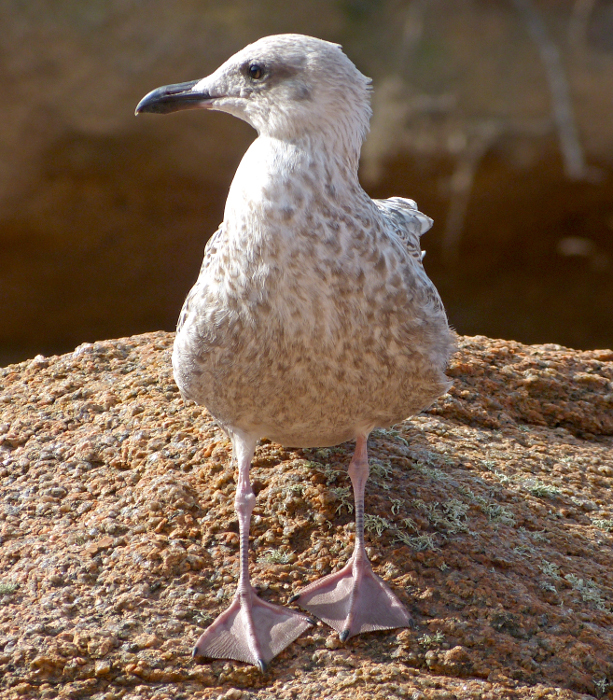
Kaum hatte ich meine Brotzeit ausgepackt, bekam ich „Besuch“ – eine junge Möwe! Sie ist schon groß genug, dass ihre Eltern sie nicht mehr füttern, doch die Jungvögel sind entweder noch recht verwöhnt oder haben noch zu wenig Glück bei eigener Futtersuche und betteln, was das Zeug hält – die Eltern ignorieren sie jetzt:

I had barely unwrapped my snack, when I got a „visitor“ – this young gull! It’s too grown for it’s parents to feed it, but either the young birds are too lazy or without luck at their own search for food – they keep begging, but their parents ignore them:

Rosa Granitküste21

Also kam diese zu mir! Okay, da sie so geduldig für Fotos posierte, bekam sie dann auch ein paar Rosinen aus meinem Studentenfutter…

So, this one came to me! Since it patiently posed for my photos, I gave it some raisins from my trailmix…

Rosa Granitküste14

Rosa Granitküste12

Oben: Natur, die wie abstrakte Kunst wirkt……

Above: nature like abstract art…

Rosa Granitküste19

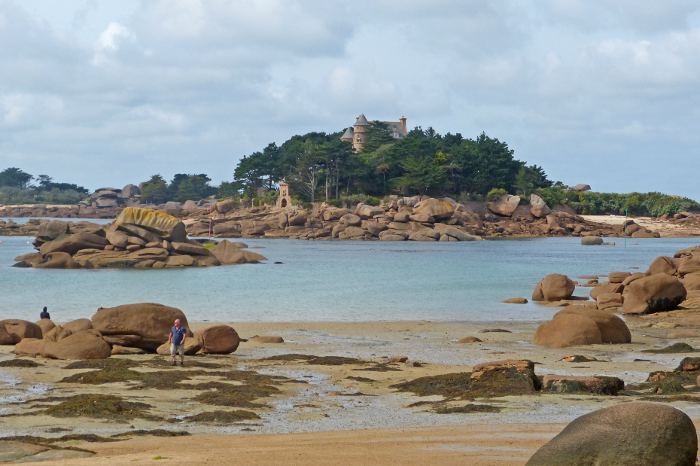
Oben: Ebbe in der Bucht von Ploumanac’h. Mittendrin steht das Oratorium St. Guirec, wo junge Frauen eine Nadel in die Nase der Statue stecken, damit sie im selben Jahr noch heiraten… Die ursprüngliche Holzstatue war so zerstört, dass sie durch Granit ersetzt wurde.

Above: the bay of Ploumanac’h at low tide. The small oratory in the centre is dedicated to St. Guirec – the legend says young women who put a needle into the nose of the statue will marry the same year. The original wooden statue was disfigured and replaced by one hewn from granite.

Rosa Granitküste22

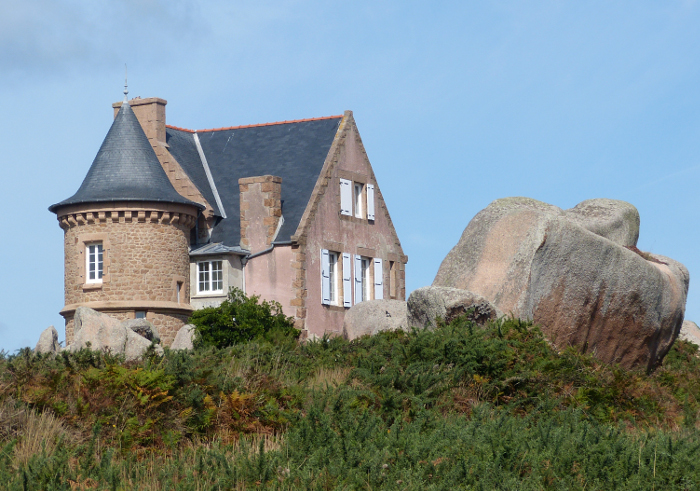
Das ist der Blick vom Schrein Richtung Meer. Unten sieht man das Haus auf der Insel nochmal deutlicher:

Above: view from the sanctuary towards the sea. Below you see a close up of the house on the small island:

Rosa Granitküste20

Das ist Château Costaérès, in welchem Henryk Sienkiewicz 1895 seinen Roman „Quo Vadis“ geschrieben hat. Ratet mal, wem es heute gehört – kommt Ihr nie drauf! „Didi“ Hallervorden!

This is Château Costaérès, where Henryk Sienkiewicz wrote his novel „Quo Vadis“. Today the Château belongs to a German comedian.

Rosa Granitküste3

Na, wenn das keine Lust auf einen Besuch dort gemacht hat, dann weiß ich auch nicht … 🙂
Well, don’t you feel like going there yourself now? 🙂